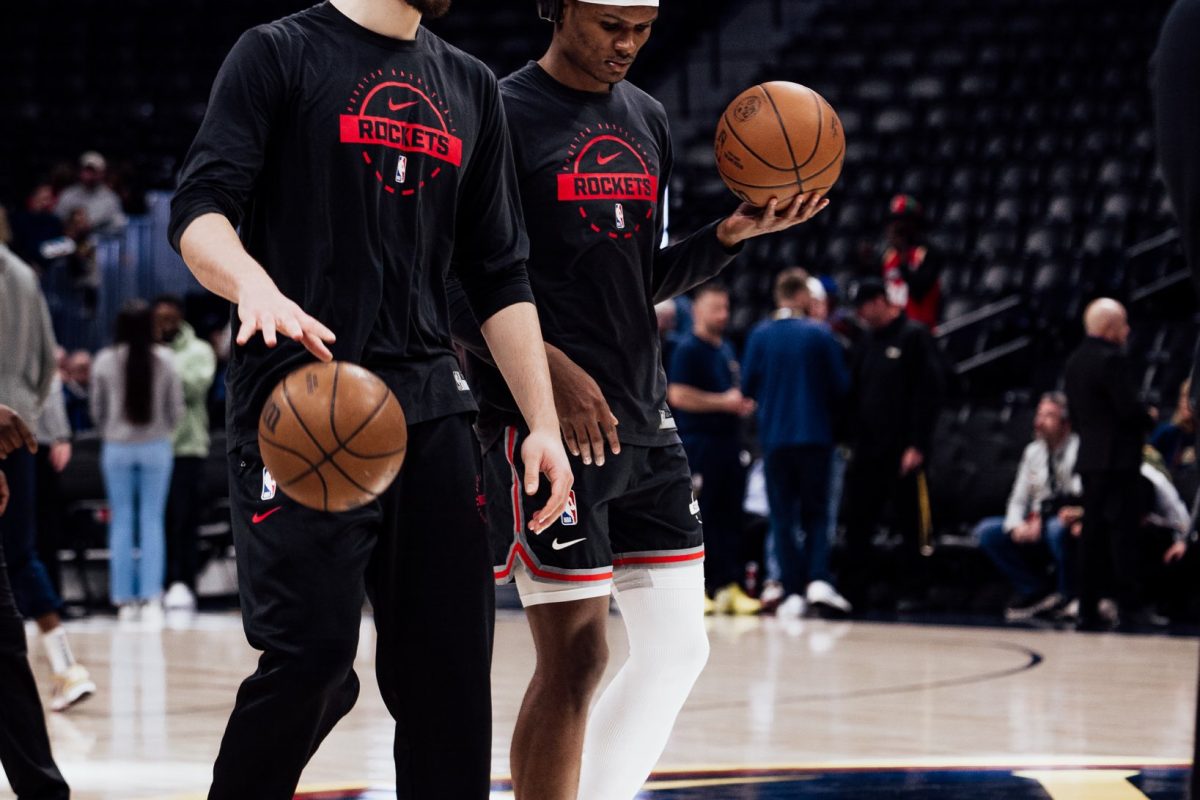
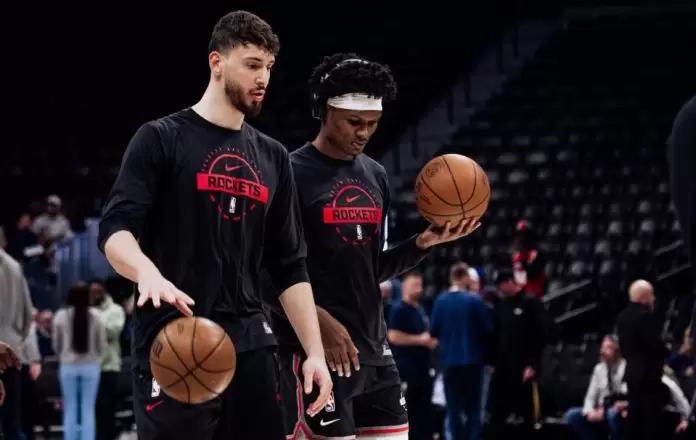
The Houston Rockets seemed to be doing everything required to win a pivotal Game 1 of the series between them and the Lakers.
They generated more possessions, attacked the glass, and had more volume.
The Illusion of Stats.
On the surface, Game 1 was dictated by the Rockets having attempted significantly more shots, specifically attempted 16 more threes, and dominated the offensive board with a staggering 21 offensive rebounds, whilst the Lakers only had 6.
However, the stats don’t tell the whole story. The problem didn’t seem to be the ability to shoot more for the Rockets, but instead it lay in what kind of shots they were taking, and this seemed to be the main problem that caused the Rockets to collapse under their own volume.
The Rockets shot 37.6% from the field, with Sengun, Smith Jr, Thompson, and Sheppard combining for 24-71. Possessions were not converted into pressure, but instead, they were converted into rushed and missed opportunities.
The Lakers, however, played a different game entirely. They weren’t chasing volume at all, but instead precision. The Lakers shot 60% from the field, and whilst the stats tell us they only had 6 offensive rebounds, it was because they were making significantly more shots. Whilst the Rockets shot 31% from the three, the Lakers shot over 57% from the three.
At the centre of that efficiency was Luke Kennard, who had a standout performance dropping 27 points on 9-12 shooting and a perfect 5-5 from three. Kennard did more than fill a scoring gap; he also stretched Houston’s defensive structure to breaking point. Kennard wasn’t just making shots; he was forcing decisions. Every defensive rotation seemed to arrive a second too late, and every closeout was just slightly mistimed.
While Kennard made sure to carry the weight Luka and Reaves are more used to, LeBron James was most definitely controlling the time and pace of the game. James had 19 points, 13 assists, and 8 rebounds, just two short of a triple-double. With Luka and Reaves out, the Lakers did not need Lebron to have a standout scoring performance, but instead, they needed him to be the backbone of the team. He dictated when the Lakers accelerated and when they settled. He was efficient in slowing possessions just enough to locate mismatches and then picking up the pace before the Rockets had time to reset. LeBron showed his dominance through his management and allowed players like Kennard, Deandre Ayton, and Marcus Smart to pick up points, assists, and rebounds.
Going Forward.
For Houston, this game will be framed around their inefficiency throughout. The Rockets’ young core in Sengun, Thompson, Sheppard, and Smith Jr weren’t just missing shots. They were rushing decisions, reading coverages too slowly, and finishing possessions without full control. This is what playoff intensity does: it compresses time. While they won the rebounding battle and were able to generate more second chances, they were unable to maintain the composure to convert.
Game 1 rarely decides a series, but it does expose what needs to happen.
For the Rockets, the adjustment is not just to simply “shoot better”. It is more demanding:
- Slowing down offensive decision-making
- Generating higher quality looks in the half-court
- Converting possession advantage into efficient scoring
For the Lakers, the path is clearer:
- Maintain spacing and shot discipline
- Continue leveraging James into the facilitator-first role
- Sustain defensive pressure that forces rushed decisions.
This game showed that the Rockets can create chances, but the Lakers know which chances matter.