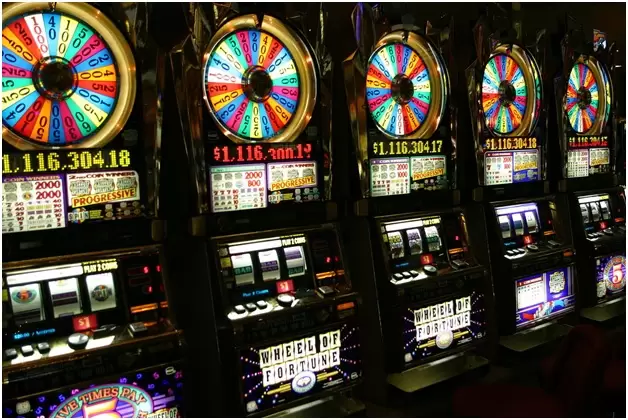
Basketball no longer ends at the final buzzer. A regular NBA night now includes live odds on second screens, fantasy chats, creator watch parties, and short clips posted before a coach reaches the tunnel. The casino layer sits inside that attention loop, especially for adults who already track spreads, props, and player minutes. A fan may watch Jayson Tatum warmups, read a referee crew note, and tap through two sponsor offers before the first possession, all without leaving a phone. That is the new routine. In Azerbaijan, fans checking socalsac.com for online casino context see how betting content follows the same rhythm as match previews and injury reports. It is quick. It is mobile. It rewards timing. One sentence later in a group chat, someone comparing casino games online through Azerbaijan online casino guides will also see online gambling sites discussed beside EuroLeague results, not hidden in a separate corner of the internet. That blend raises fair questions about taste, safety, and age gates, but the pattern is already clear: basketball media and casino media are sharing the same sofa.
The arena screen is now a betting screen
During a close fourth quarter, the broadcast does more than show score and fouls. It sells attention. A lower-third graphic might mention that a guard has hit four threes, while the app on a viewer’s lap prices his next attempt in real time.
This is the bridge.
A late-night search for online casino guides at passportpartyproject.org can lead Azerbaijan readers toward bonus terms, withdrawal limits, and license notes, all items that resemble the detail-heavy culture of basketball analysis. Fans compare details fast. After that, a popular casino comparison of eu casinos with fast payouts fits naturally beside talk about same-game parlays and halftime markets, because speed matters during a two-minute timeout.
Teams do not need to place roulette wheels on the court for casino thinking to appear. It arrives through odds widgets, sponsor reads, podcasts, and influencer clips. The strongest link is habit. Basketball fans already process numbers under pressure: shot clocks, lineup data, foul trouble, usage rate. Casino products place that tempo inside bright buttons.
Sponsorships move closer to the court
Casino brands once bought banners in places that felt detached from the game feed. Now the placement is tighter. A pregame host reads a promo code before discussing ankle soreness. A podcast midroll follows a segment on pick-and-roll defense. In some markets, arena boards flash odds during commercial breaks, then disappear before play resumes.
The line feels thin.
Basketball is attractive to operators because the schedule never sits still for long. The NBA has 1,230 regular-season games. The EuroLeague runs midweek. National cups fill gaps. Each date gives media teams a reason to post previews, injury alerts, and short betting explainers. For a casino brand, that means fresh context without inventing a story.
There is risk here. A clumsy sponsor read can make a serious basketball show feel cheap, especially after a bad beat or a public gambling scandal. Better integrations stay boring on purpose: age warnings, clear labels, no cartoonish promises, and no pitch aimed at underage fans.
Live markets match basketball’s stop-start pulse
Basketball is built for micro-decisions. A baseball inning can drag. A football drive pauses for replays. Basketball gives a possession every few seconds, which suits live casino-style interfaces and sportsbooks tied to casino accounts.
Miss. Rebound. Price changes.
The modern viewer sees markets shaped around tiny events: next scorer, total points in the quarter, a player to record one more assist, a team to win the next five-minute window. These offers sit beside casino tabs for blackjack, slots, crash games, or live dealer tables. The shared design is obvious. Big numbers. Countdown clocks. One-tap deposits.
This does not mean every fan wants to bet during play. Plenty hate the clutter. Still, the format fits the sport better than slower games do. A 14-point lead can vanish in three minutes. A bench lineup can ruin an under. A coach can rest a star after a harmless-looking timeout. Casino platforms feed on that uncertainty, and basketball supplies it nightly.
Creators turn odds into basketball talk
The sharpest change is happening away from TV desks. TikTok editors, Discord moderators, and YouTube hosts turn odds into content that feels like fan banter. A creator might review Luka Dončić’s assist line, complain about a rotation pattern, then mention a free-spin offer before the next clip.
It can be messy.
Some creators understand bankroll limits and speak carefully. Others chase engagement with screenshots of wins and dramatic losses. The second style travels faster, because anger and envy both pull comments. That is where basketball communities face a real moderation problem. A server for draft prospects can become a betting room by midnight if rules are loose.
Responsible pages separate analysis from promotion. They mark affiliate links. They avoid teen-heavy platforms for gambling posts. They also explain losses in plain terms, not as bad luck waiting to turn. Fans respect honesty more than hype, particularly after a night when a star scores 12 points on 3-for-17 shooting.
Data, fantasy, and casino design overlap
Fantasy basketball trained fans to think like risk managers. Minutes projections matter. Back-to-backs matter. A questionable tag at 6:42 p.m. can swing a contest before dinner is finished. Casino apps benefit because that mindset already exists.
The spreadsheet came first.
Daily fantasy rooms made player props feel normal long before every broadcast mentioned them. Users learned terms such as exposure, entry fee, late swap, and correlation. Casino products share nearby language: wagering requirement, return percentage, volatility, table limit. The words differ, but the user behavior looks familiar. Check the number. Accept the risk. Watch the result.
This overlap explains why operators sponsor stat shows rather than random comedy pages. A box-score audience is primed for probability. Still, good basketball analysis should not become a sales funnel with sneakers on. The best shows keep their model visible. They explain why a pick makes sense, name the price, and admit when the market has already moved too far.
Safer viewing needs clear boundaries
Basketball entertainment is richer when adults know what they are seeing. An odds segment should look different from a scouting segment. A casino ad should carry age limits, license details, and a reminder that borrowed money has no place in a bet slip.
Plain labels help.
Clubs and media outlets also need house rules. No gambling sponsor on youth-team pages. No push alerts during school hours. No influencer reads by creators whose audience is mostly under 18. These standards sound strict, yet they protect the sport’s credibility when a scandal breaks.
Players need space too. Abuse tied to lost wagers has become a weekly headache for athletes, referees, and social teams. Leagues should keep reporting tools simple and punish targeted threats fast, not after a month of screenshots.
A simple icon would help during every sponsored segment too. The next step is less glamorous than a new app feature: cleaner separation. Basketball can share space with online casinos, but the screen should tell adults what is analysis, what is advertising, and what carries real financial risk before tipoff tonight.