There is a reason so many basketball players look forward to the offseason. Without the pressure of games every week, summer becomes the perfect opportunity to sharpen skills, build strength, and improve conditioning. Outdoor courts stay busy from early morning until sunset, while indoor gyms fill with athletes determined to return better than they were the previous season.
Summer training, however, comes with one obvious obstacle. Heat has a way of turning productive workouts into exhausting sessions. A few extra degrees might not seem significant at first, but after thirty minutes of sprinting, jumping, and shooting, the difference becomes impossible to ignore. Legs feel heavier, concentration starts to slip, and every drill requires a little more effort.
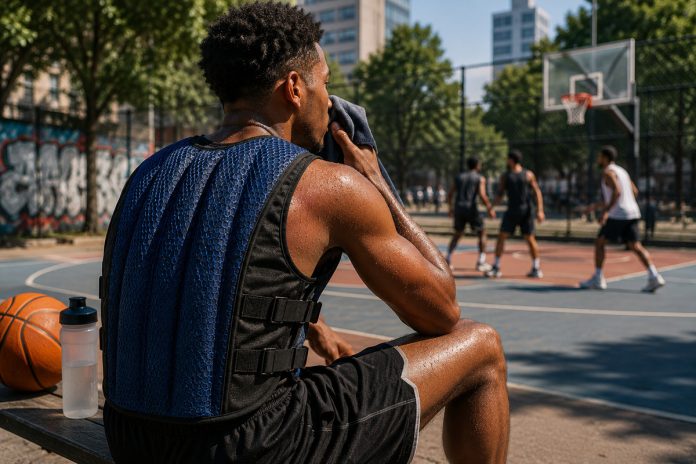
That is one reason many athletes have started paying closer attention to body temperature. Besides drinking enough water and planning workouts wisely, using a cooling vest has become a practical way to stay more comfortable during demanding summer sessions.
Summer Heat Changes the Way the Body Performs
Basketball places unique demands on the body. Few sports combine so many explosive movements in such a short period of time. One moment involves sprinting the length of the court, followed immediately by a jump for a rebound, a quick defensive slide, and another fast break seconds later.
Every explosive movement creates heat. On cooler days, the body can usually regulate its temperature without much difficulty. During summer, especially on outdoor courts or inside warm gyms, that process becomes much harder.
The result is familiar to almost every player. Energy disappears faster than expected, breathing becomes heavier, and drills that normally feel manageable suddenly become far more challenging. Even experienced athletes can struggle when temperatures continue to rise throughout the day.
Practice Quality Matters More Than Practice Length
Hours spent on the court are only valuable when those hours are productive.
Many players believe improvement simply comes from training longer. In reality, the quality of every repetition often matters far more than the number of repetitions completed.
Take shooting practice as an example. Early in a workout, foot placement is consistent, balance feels natural, and follow-through remains smooth. After prolonged exposure to heat, fatigue often changes those details. Jump height decreases slightly, shooting mechanics become inconsistent, and accuracy begins to suffer.
The same applies to dribbling drills, defensive footwork, and finishing around the basket. Small technical mistakes become more common as fatigue increases.
Managing body temperature helps players maintain better movement quality throughout the session instead of seeing performance drop halfway through practice.
Staying Focused Is Just as Important
Basketball rewards quick decisions.
Reading a defender, recognizing an open teammate, anticipating a rebound, or reacting to a screen all happen within seconds. Mental sharpness can make the difference between creating a scoring opportunity and committing a turnover.
Heat affects more than muscles. It also influences concentration.
Anyone who has trained during a particularly hot afternoon has probably experienced that moment when simple mistakes start appearing. Passes arrive a little late. Defensive rotations become slower. Communication fades because everyone is simply trying to catch their breath.
Remaining comfortable does not automatically make someone a better player, but reducing unnecessary heat stress allows more attention to stay on the game itself.
Recovery Between Drills Makes a Difference
Basketball workouts naturally include short recovery periods.
Coaches explain the next drill, players grab a drink, or teams gather for tactical instructions before getting back to work. Those brief moments offer an opportunity to prepare for the next burst of activity.
Many athletes use a cooling vest before practice starts or during these breaks. Lowering body temperature between high-intensity efforts can help players feel fresher when the next drill begins.
That can be particularly valuable during longer training camps, summer tournaments, or multiple practice sessions in one day.
Outdoor Basketball Presents Extra Challenges
Outdoor basketball has always been part of the sport’s culture.
Public courts attract players of every age, from children learning basic fundamentals to experienced competitors preparing for another season. While these courts create an excellent training environment, they also expose athletes to direct sunlight and hot playing surfaces.
Concrete and asphalt absorb heat throughout the day, making temperatures around the court significantly warmer than the surrounding air. Add high humidity, little wind, and bright sunshine, and even routine drills become more demanding.
Scheduling workouts during the morning or evening certainly helps, but that is not always possible. Work, school, and team commitments often leave only the hottest hours of the day available for training.
That makes personal cooling solutions increasingly attractive for players who want to stay comfortable without cutting workouts short.
Suitable for More Than Elite Athletes
Professional basketball players often have access to sports scientists, nutritionists, and recovery specialists. Most recreational players do not.
Fortunately, staying cooler during exercise does not require access to a professional training facility.
High school players preparing for tryouts, college athletes working through offseason programs, weekend competitors, and even casual players can all benefit from taking heat management seriously.
Everyone responds differently to warm conditions. Some athletes tolerate heat remarkably well, while others feel exhausted much sooner despite being equally fit. Age, fitness level, humidity, and previous exposure to heat all influence how the body reacts.
Finding ways to reduce unnecessary heat stress simply allows players to get more from the work they already plan to do.
Recovery Continues After Practice Ends
Improvement happens after training as much as during it.
Once practice finishes, the body begins repairing muscle tissue, restoring energy reserves, and adapting to the workload. Recovery becomes more difficult when excessive heat remains part of the equation.
Cooling down after a demanding workout helps athletes transition into recovery more comfortably. Combined with hydration, balanced meals, quality sleep, and mobility work, temperature management becomes another useful habit rather than a luxury.
Players who train several times each week often discover that small improvements in recovery add up over the course of an entire summer.
Choosing Equipment That Matches the Environment
Not every cooling solution works the same way.
Some products rely on evaporation, making them ideal in dry climates. Others use advanced cooling materials that provide consistent temperatures for longer periods, even in more humid environments.
Selecting the right option depends on where training takes place, how long sessions last, and the intensity of those workouts.
Manufacturers such as Inuteq have developed personal cooling products for athletes, industrial workers, emergency responders, and anyone who regularly performs in warm conditions. Having equipment designed for demanding environments gives players more options when temperatures begin climbing.
Smart Training Always Comes First
A cooling vest should never replace sensible training habits.
Drinking enough water, taking regular breaks, wearing breathable clothing, and recognizing the signs of overheating remain essential during every summer workout. Listening to the body is still one of the most valuable skills any athlete can develop.
Cooling technology simply complements those habits by making demanding sessions more comfortable and helping athletes maintain a consistent level of performance.
Final Thoughts
Summer is often where the foundation for the next basketball season is built. Countless hours are spent improving jump shots, strengthening defensive footwork, increasing endurance, and developing confidence on the court.
Hot weather does not have to limit those goals. By managing body temperature more effectively, players can approach each workout with greater comfort and maintain better focus throughout demanding sessions.
A cooling vest is not about avoiding hard work. The workouts remain just as intense. The difference is that energy can be directed toward improving basketball skills instead of constantly battling the heat. Over weeks and months of offseason training, that small advantage can make every practice a little more productive.