In January 2015, Hamburg travelled to Dubai for some warm-weather training during the Bundesliga’s winter break. A group of journalists followed the team, and as the days ticked by, several members of the press became suspicious of one their own.
One journalist in the pack was in fact a scout from FC Koln, who were due to play Hamburg in their next league game. After being confronted, the scout quickly disappeared back to Germany.
One of Koln’s staff members at that time happened to be the current Southampton manager, Tonda Eckert. There is no evidence that Eckert was involved in the incident. But perhaps the reaction to it is telling: there were no sanctions, no hearings, no national outcry. Koln’s punishment was to be mercilessly mocked by the German media for their brazen, bumbling attempt at espionage.
So when Eckert told the independent commission investigating Southampton’s spying saga earlier this month that he didn’t realise the practice was against English Football League rules, that’s probably true. Reconnaissance is embedded in German football culture, and the Koln case is one of many.
The EFL commission didn’t care for Eckert’s explanation, of course. Eckert and his staff are signed up to the EFL’s regulations and they should have known better. Besides, breaching rules is somewhat baked into the definition of spying – otherwise it’s just looking.
The commission’s written reasons for evicting Southampton from the Championship play-offs were published last week, and they were damning. The report found “a contrived and determined plan from the top down”. Eckert knew about the spying, he authorised it, and he tried to use the information to his advantage on several occasions.
We can question the extent of that advantage. Did those long-range iPhone videos really hold the key to Southampton’s successful season? Saints admitted to spying in three matches and didn’t actually win any of them. The unsophisticated nature of the grift, conducted beside a tree, was undoubtedly funny. Perhaps had it been drones overhead and a listening device in the changing room, the reaction would have been different.
Southampton unsuccessfully argued the punishment of losing their play-off place was disproportionate, like being put on trial for murder after getting caught shoplifting. But why spy if there is nothing to gain? Eckert admitted he wanted to learn Middlesbrough’s formation and if Hayden Hackney, one of the Championship’s best players, would start the game. That is key information, and information is power in football.
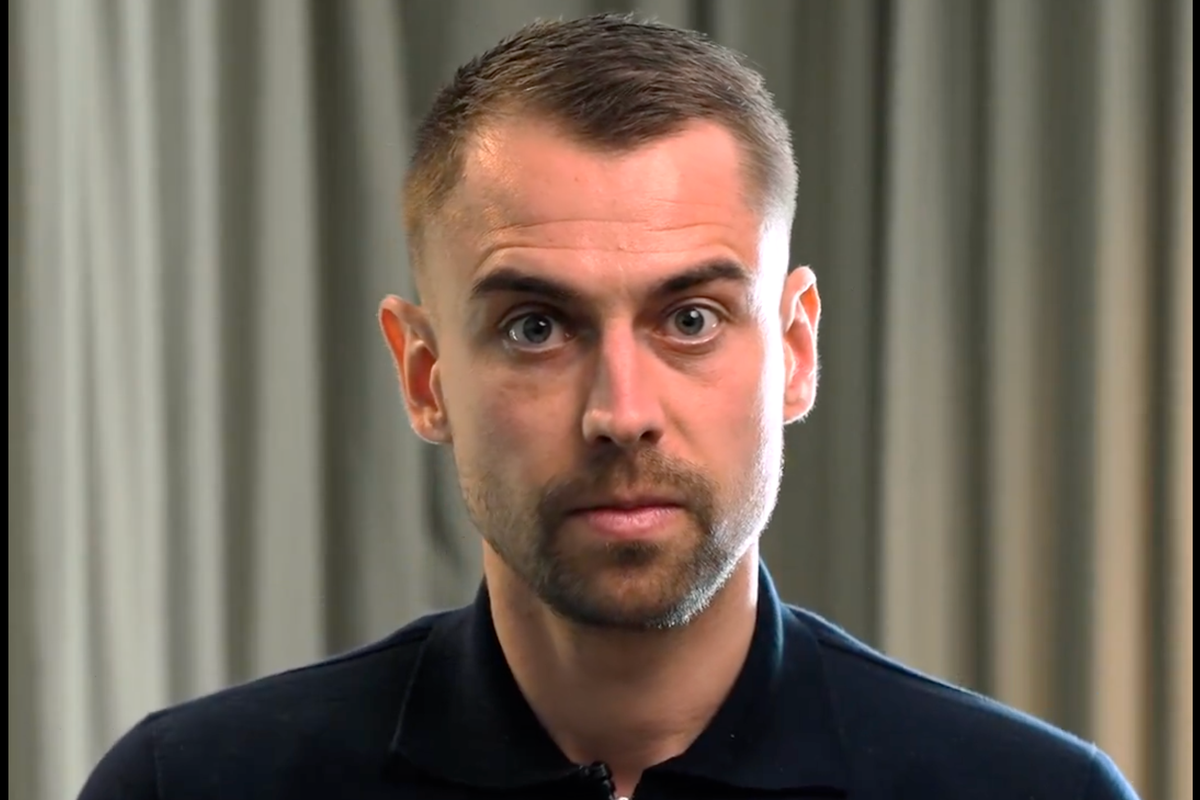
In a case of performance-enhanced tactics, the EFL could not have allowed a team guilty of breaking its rules to win the golden goose of promotion to the Premier League. On Tuesday, in a sincere stare-down-the-barrel-of-the-camera interview stage-managed by Southampton’s club website, Eckert finally took responsibility and apologised to his opponents, his players and Saints fans.
“When I worked in Italy for over four years, every starting line-up that we’ve chosen for the games was always out in the media before games,” Eckert said.
“The reason is that our training sessions, especially the ones before games, have always been observed by the media and have always been observed by opponent teams that we came up against. [Pep] Guardiola has spoken about this at his time at Bayern Munich, that it has been common practice in Germany to observe training sessions, knowing that other teams would do the same.
“I don’t want to say this to excuse anything that we have done. I just want to give you context in the way that I grew up in the football world. There are different rules in England. There are different rules from the EFL. And I should have known them.”
Southampton’s owner, Dragan Solak, said that Eckert will not be sacked by the club. “In Italy or in Germany, where Tonda was working, this is basically common practice that nobody cares about,” Solak explained in an extraordinary interview with BBC Sport, in which he accused the media of a “witch hunt”.
Eckert could still be banned by the Football Association, which is investigating whether he brought the game into disrepute. The German’s position remains in limbo, even if the majority of Saints players want the manager to stay on next season. “If he’s banned, he’s banned,” said Solak. “I mean, I can’t put somebody to manage the club if he is not allowed.”
But perhaps he should walk before he is pushed, because the commission’s report rightly called out the worst part of this tale, which was not the spying or even Southampton’s initial attempts to cover tracks. The most egregious act in all of this was that Eckert sent the intern.
The young analyst should have known better, and it seems he did. The commission report revealed he initially rejected instructions to spy on Millwall, but he was later persuaded. He said he felt he had little choice to go along with the demands of senior coaching staff.
Solak said he had sympathy for the analyst involved, but that he should have been “stronger” in resisting order.
“I believe that our junior intern felt personally it’s wrong, and he didn’t feel right for doing this, and I think he should have expressed that stronger,” the owner said. “I’m pretty sure that if [he had] come to us, the top management, actually it would be the seniors who would be punished, not him. I have a lot of pity. I’m sorry for what he had to go through. And we obviously would like him to stay in the club and we offered him a prolonged job.”
There are echoes of Cameron Bancroft, the young Test match cricketer asked to rough up the ball by senior Australian colleagues during sandpaper-gate. Bancroft later accepted responsibility for his actions in the scandal, but also said he found it hard to push back. “I just wanted to fit in and feel valued.”
The Southampton intern has gone to ground, and his family have been hounded in the past few days. His mental health should be Southampton’s only priority right now. Bancroft has shown there is a road to rehabilitation in the world of sport, and there should still be a future in the game for Saints’ young analyst if he wants one.
But the report described the use of a junior member of staff as “deplorable”, and that alone makes Eckert’s position untenable. Eckert has buried his head in the sand for much of this story, even walking out of a press conference when asked by a reporter whether he was “a cheat”. Finally, he has taken responsibility. But his eight-minute video failed to apologise to or even acknowledge the person harmed most by the saga.