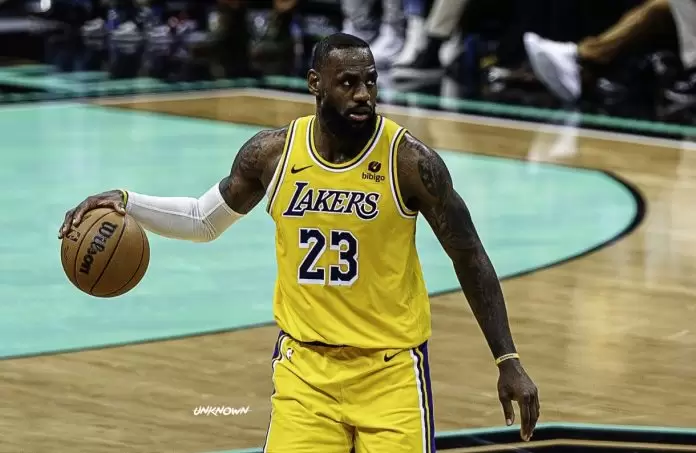
Former Miami Heat guard Mario Chalmers reflected on the accountability within Miami’s championship teams, explaining why he felt comfortable challenging LeBron James despite James’ status as one of the NBA’s biggest stars.
Speaking to Brandon “Scoop B” Robinson, Chalmers discussed the famous confrontation between himself and James during Miami’s Big Three era and how teammates were able to communicate openly without allowing disagreements to damage their relationships.
“We really weren’t scared to hold each other accountable,” Chalmers said. “Me being who I am, being able to say something to LeBron—who’s considered a GOAT—and he still understands what I’m saying, doesn’t take it personal, and doesn’t make it a clash between us when it could have been.”
Chalmers viewed that ability to challenge one another as an important part of Miami’s team culture. Rather than seeing criticism between teammates as personal, he said the players understood that the objective was to improve the team.
“That was the best part of it all: being able to communicate and say whatever to a teammate who’s your brother, and he won’t take offense because he understands you’re trying to make the best situation,” Chalmers said.
The former point guard contrasted that environment with what he sees in the modern NBA, particularly during the regular season.
“I don’t know if there’s still that level of care in the NBA right now—during the regular season, let me say that,” Chalmers said. “In the playoffs, for sure, they show they do.”
Chalmers was part of Miami’s four consecutive NBA Finals appearances from 2011 through 2014, winning championships in 2012 and 2013 alongside James, Dwyane Wade and Chris Bosh.
He also pointed to the adjustments required for that group to become a championship team after losing to the Dallas Mavericks in the 2011 Finals. According to Chalmers, the central issue was establishing roles among three elite players.
“I think the parallel was just our team figuring out who was going to be our Batman and who was going to be our Robin,” Chalmers said. “When you have three great superstars like that come together on one team, somebody has to take a backseat for everybody to be successful.”
Chalmers also credited Bosh with making significant sacrifices after joining Miami. The big man moved away from being a primary offensive option in Toronto and became more of a perimeter-oriented player alongside James and Wade.
“For our team, he had to switch out, go to the perimeter, and let LeBron be the guy in the post,” Chalmers said, describing Bosh as the “catalyst” who made Miami’s system work.