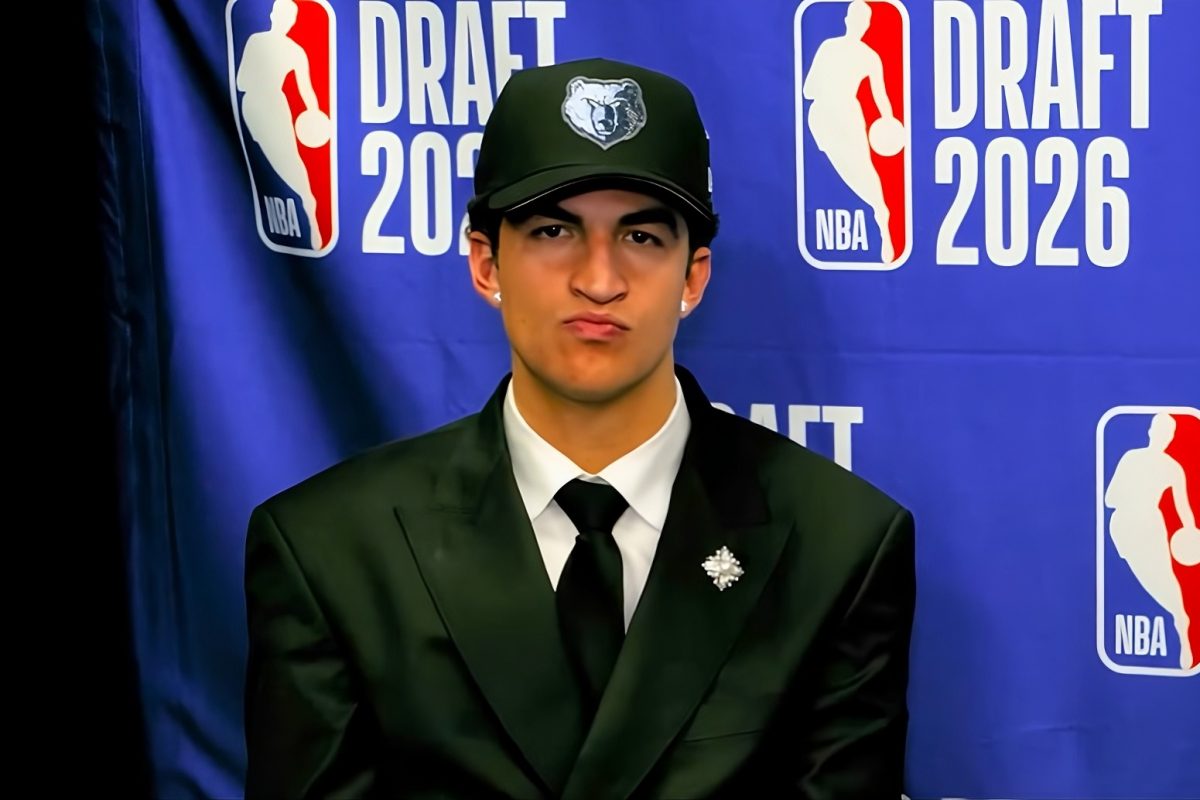
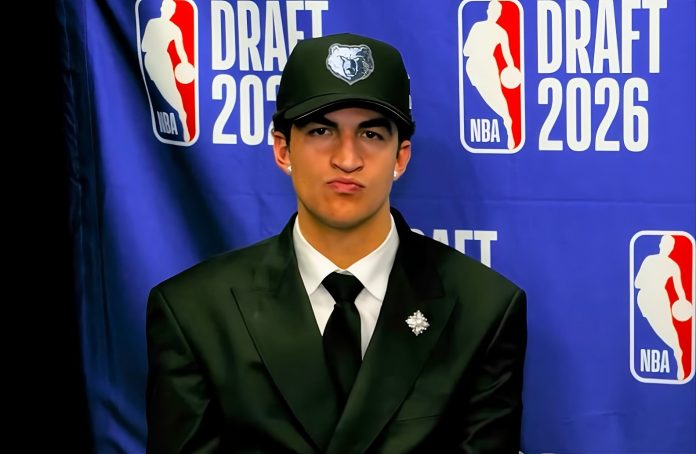
The Memphis Grizzlies entered the 2026 NBA Draft looking to add talent after a 25-57 season that left them 13th in the Western Conference. By the end of draft night, the franchise had not only selected Mexican wing Karim Lopez but also accumulated five additional second-round picks through a pair of trades that allowed it to move down just five spots in the first round.
According to ESPN insider Shams Charania, Memphis first agreed to send the No. 16 pick to the Oklahoma City Thunder in exchange for two second-round selections. The move dropped the Grizzlies back one spot to No. 17 while adding draft capital.
The Grizzlies then completed a second trade, sending the No. 17 pick to the Detroit Pistons for three more second-round picks and the No. 21 selection. In total, Memphis moved from No. 16 to No. 21 while collecting five second-round picks, one of the more aggressive asset-accumulation strategies of the first round.
The original No. 16 selection was Iowa guard Bennett Stirtz. Stirtz emerged as one of college basketball’s most productive guards over the last two seasons. After averaging 19.2 points, 5.7 assists and 2.1 steals at Drake in 2024-25, he transferred to Iowa and posted 19.8 points, 4.4 assists and 1.4 steals per game while shooting 47.7% from the field and 35.8% from three-point range in 2025-26.
At No. 17, Stanford freshman Ebuka Okorie came off the board. Okorie averaged 23.2 points, 3.6 rebounds and 3.6 assists in 31 games while shooting 46.5% from the field and 83.2% from the free-throw line. His scoring profile made him one of the most dynamic guards available outside the lottery.
Rather than selecting either player, Memphis prioritized flexibility and eventually landed Lopez at No. 21.
The 6-foot-8 wing arrives after two seasons with the New Zealand Breakers in the NBL. Lopez showed steady year-over-year development, increasing his production from 9.6 points and 4.7 rebounds in 2024-25 to 11.9 points and 6.1 rebounds in 2025-26. He also improved his overall efficiency, shooting 49.4% from the field while averaging 1.2 steals and 1.0 blocks per game.
The selection continues Memphis’ youth movement after using the No. 3 pick on Duke forward Cameron Boozer earlier in the draft.