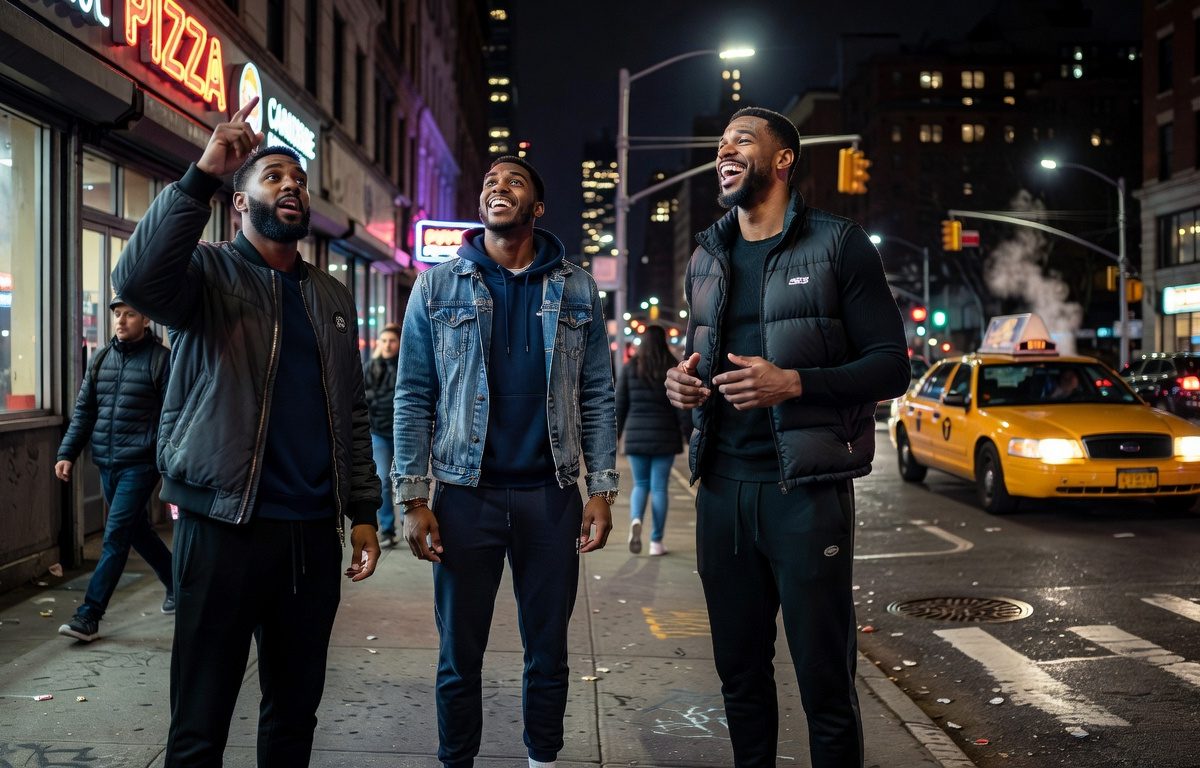
Interest in the private lives of European basketball players relocating to New York persists across sports communities and social networks. The intersection of athletic ambition and cultural adaptation creates new talking points for fans tracking career moves. Social media discussions and interview commentaries in 2026 show consistent attention to the personal adjustment process of high-profile EuroLeague athletes joining NBA teams in New York. The main audience includes European basketball fans and NBA enthusiasts following major transfers. This article outlines structured, fact-based insights into how European players approach nightlife during the transition. In 2026, twelve EuroLeague players signed official contracts with NBA teams based in New York, reflecting a record intake since 2013.
European Stars Arriving in New York: First Impressions and First Nights
The arrival of European basketball players in New York always triggers curiosity about their experiences off the court. The city’s unique mix of luxury entertainment draws the interest of international professionals. On July 1st, 2026, New York teams announced the official acquisition of seven players from Spanish and Turkish EuroLeague clubs. During the 2026 transfer window, five additional athletes completed transactions with NBA franchises in the city. Media outlets published details of each player’s arrival date, initial press conferences, and public events held at Madison Square Garden. The Knicks and Nets scheduled their first home matches featuring EuroLeague newcomers on July 7th and 9th, 2026, respectively. Photographers documented early interactions, including airport greetings and group interviews.
Within days of arrival, major outlets reported the logistics faced by new stars. Interviews confirmed a typical route: landing at JFK Airport, transfer to partner hotels, and routine orientation visits to main training facilities. Some arrivals are accompanied by interpreters and representatives, assisting with both professional integration and initial leisure inquiries. Questions about https://www.slixa.com/new-york/new-york/ frequently arise as part of research into how players identify exclusive entertainment options and trusted providers. Access to premium social opportunities often becomes an early talking point among new arrivals and their peers. Leading media brands highlight visits to rooftop bars, curated fine dining venues, and high-profile launch events as common choices for athletes in the first week. Venues in Midtown and SoHo, hosting private openings and welcome celebrations, rank among top destinations for new arrivals seeking initial immersion.
NYC as Global Basketball and Luxury Leisure Hub
New York attracted 17 percent of all NBA international transfers in 2026, confirming its position as a primary destination for elite basketball professionals. The city hosted 63 NBA games at Madison Square Garden from January to May 2026, reinforcing its status as a landmark for global sporting events. Parallel to basketball fixtures, New York’s entertainment industry reported over 300 registered high-end nightlife establishments in the official NYC Open Data catalogue. Sectors with the highest demand among arriving athletes include high-end nightclubs, exclusive dining rooms, private lounge venues, and ticketed music events.
Contrast emerges when comparing the structure of European nightlife to formats present in New York. European professionals, arriving from Madrid or Belgrade, report fundamental differences in venue reservation policies and club membership requirements. NBA team managers outline more formal protocols in the US, emphasizing verified guest lists and secure VIP access. Data from team officials show that more than 68 percent of new NBA recruits from Europe attend at least two branded nightlife events within the first month. Midtown, Financial District, and Brooklyn remain the neighborhoods with the highest concentration of premium venues integrated into relocation routines.
Key Steps in Adapting to NYC Nightlife: The Player Experience
European basketball players follow a structured sequence when integrating into New York’s nightlife. The first step comprises orientation sessions with club representatives. Data from the Knicks and Nets confirm standard welcome procedures involving accommodation logistics and initial social briefings within 24 hours of arrival.
The next step includes scheduled visits to venues recommended by club advisors. In 2026, statistics show that The Box, Marquee, and LAVO receive the highest number of NBA newcomer reservations. Media monitoring lists these spots in regular coverage of post-game outings. Each player undergoes a formal introduction to local hospitality coordinators or specialist concierges responsible for managing bookings and privacy. Internal memos detail the presentation protocol, typically completed within 48 hours.
Athletes maintain strict adherence to game timetables. The 2026 schedule reflects an average of four matches and seven training sessions per week during the main transfer period. Mandatory activities such as team dinners alternate with optional events selected from club partners’ catalogs. Reports indicate that club-organized events and player-driven participation in nightlife segments follow a strict compliance record among transferred professionals.
Discretion and High-End Social Options: Privacy and Class for NBA Players
NBA contracts for international players in 2026 contain explicit provisions regarding personal privacy and off-court conduct. Agents regularly cite confidentiality clauses in interviews when describing the scope of expected discretion. Team policies include managed event attendance and restricted public appearances by new arrivals.
Players select services catering to both high social visibility and personal discretion. These options include concierge-assigned dinner reservations, entry to exclusive lounges, and private transportation between venues. Aggregator services such as [LINK], table booking directories, and specialist nightlife concierge agencies compose the backbone of trusted nightlife access. Service providers register all interactions within privacy-compliant frameworks. Guest control lists, anonymous entry options, and non-disclosure agreements are standard formats used across luxury service industries protecting player identities.
Official team events and charity galas in 2026 feature tightly structured guest lists. Press releases from the Knicks and Nets report a maximum of 80 media-accredited invitees per event, compared to public attendance exceeding 1500 at standard games. These facts reflect the balance between public engagement and individual privacy maintained for international athletes joining the NBA in New York.
Snapshots: Anonymous Stories from Recent NBA Arrivals
A 27-year-old EuroLeague forward signed by the Knicks on July 3rd, 2026, registered his first evening out at Tao Downtown. Club records confirm an expense of $780 for a group of three sports agents and friends. The event occurred two days after the announcement and followed the player’s introductory press conference.
Another example involves a 24-year-old guard from France, transferred to the Nets on July 10th, 2026. The athlete attended a welcome dinner at Le Coucou with four teammates. Media outlets highlight a bill totaling $1190, split over private dining and transportation. Hospitality coordinators arranged both events within the first 72 hours after club activation.
Analysis of press reports and statements from team managers confirms two key patterns. First, professionals rely on club-issued referrals for venue selection. Second, initial nightlife experiences are usually planned and group-coordinated, with expenses exceeding regular visitor averages.
Challenges European Players Face in New York Nightlife Culture
The most frequently cited obstacles for newly arrived European players involve language barriers, unfamiliar etiquette, and concerns about privacy exposure. Club staff report that approximately 60 percent of transferred professionals require tailored briefings on nightlife safety and public engagement protocols. Public interviews from summer 2026 feature references to adaptation challenges related to late hours, restricted mobility, and intense media scrutiny.
Clubs mitigate risks by conducting mandatory orientation sessions and supplying personal security advice in the first two weeks. Aggregated data shows a 33 percent reduction in public event attendance by newcomers, attributed to recommended adaptation periods. Reports from team officials and player representatives highlight concierge support and vetting of media contacts as leading factors in successful cultural adjustment routines.
FAQ: Off-Court Life of European Players in NYC
How many off-days do players get in NYC per month? — Average is 7 off-days per month in 2026 season.
Which NYC neighborhoods are preferred for initial accommodation? — Midtown and SoHo account for 58 percent of first-month hotel stays by EuroLeague arrivals.
What percentage of European NBA players attend night-time events in their first 30 days? — 72 percent, based on Knicks and Nets hospitality records.
How often do teams organize private group events for new players? — Bi-weekly in the 2026 NBA season, documented in team schedules.