Imagine a fan in Manila setting an alarm, a group in Madrid clearing their evening, and someone in Chicago pulling up a stream during a lunch break — all for the same tip-off. That is the quiet magic of the 2026 FIBA Intercontinental Cup, running September 21-27 in Beijing. Club champions from across continents are converging on one city, and the anticipation is already spilling across time zones. It is the kind of event that reminds people how far this sport has traveled, and how many strangers it can pull into the same conversation on a random weeknight.
That global reach also explains why so many US-based fans are rethinking how they follow international hoops in the first place. Domestic coverage tends to orbit the NBA, so when a tournament like the Intercontinental Cup rolls around, American viewers often go looking for wider international access — and that search is exactly why guides comparing offshore sportsbooks have become a regular stop for the betting-curious crowd in 2026. Those roundups explain how sites reachable to US players handle NBA markets, esports, and state-by-state differences, while pointing readers toward odds, bonuses, and responsible play resources in one place. For someone tracking a Beijing bracket that barely registers on mainstream domestic outlets, that kind of centralized reference lowers the barrier to following along and understanding what a night’s slate actually looks like.
Why Beijing Matters This Time
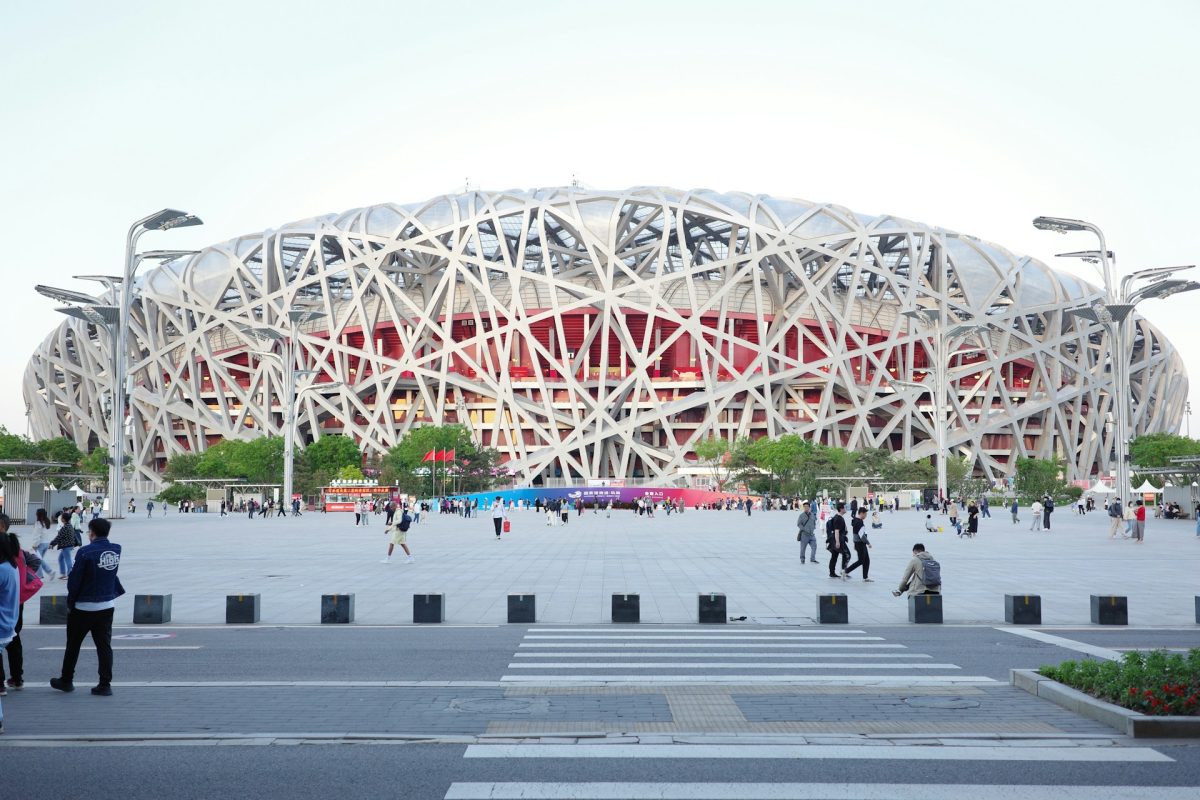
Host cities shape the character of a tournament, and Beijing arrives with real momentum. The Chinese capital isn’t a one-off backdrop either — the city has committed to the competition for the long haul, as FIBA confirmed when it locked in Beijing through 2028. That kind of multi-year home gives an event roots. Fans get to know the arenas, the local rituals, the way a crowd there reacts to a clutch three, and over a few editions that familiarity turns a scattered international bracket into something that feels like a recurring tradition worth marking on the calendar.
For talkbasket.net readers who follow FIBA and EuroLeague as closely as they follow the NBA, this matters. A EuroLeague powerhouse testing itself against South American, Asian, and African champions is a rare, satisfying collision of styles. Picture that fan in Madrid again, arguing that European ball-movement will carry the day, while a viewer halfway around the world insists the tempo of the club he supports will run everyone off the floor. Nobody is right until the games start — and that shared not-knowing is half the fun.
Storylines Worth Following
The pull of the Intercontinental Cup has always been its mash-up of basketball cultures. The tournament has crowned champions from wildly different traditions over the decades, and its history — laid out in detail on the FIBA Intercontinental Cup archive — reads like a map of where the game has grown. Every edition adds another chapter, and the 2026 field promises fresh subplots: a EuroLeague representative carrying continental pride, a Chinese club energized by home support, and clubs from regions that rarely get this kind of spotlight.
For a US audience, the timing is generous. The tournament lands in late September, a sweet spot on the calendar. The FIBA Women’s Basketball World Cup wraps up in Berlin on September 13, and the EuroLeague 2026-27 regular season tips off on September 24 — meaning Beijing’s showcase overlaps with the return of club ball in Europe. That cluster of dates turns the back half of September into a genuine feast for anyone who loves the international game, with something meaningful on nearly every day.
The Moments That Travel
What actually sticks with people long after a final buzzer? Rarely the box score. It’s the buzzer-beater that sends a Beijing arena into a roar, the underdog holding a lead it has no business holding, the veteran import quietly having the game of his life against a bigger name. Those flashes travel. They get clipped, shared, and replayed until a fan who never watched the full game feels like they were there.
That is the thread connecting a packed arena in China to a small group crowded around a screen in Ohio. The tournament that continues in Beijing — and, as FIBA’s own announcement confirmed its stay through 2028 — gives all of them a shared reference point. When the same highlight is being celebrated in three languages at once, the sport stops feeling like a regional pastime and starts feeling like a common language.
Building Toward a Loud Autumn
The Intercontinental Cup is also a warm-up act for a stacked stretch of basketball. Right after Beijing wraps on September 27, EuroLeague settles into its regular-season rhythm, and by October 3-4 the NBA preseason kicks off with the Miami Heat facing the Toronto Raptors in the NBA Canada Games. In other words, the Beijing bracket isn’t an isolated blip — it’s the doorway into a fall where the international and North American calendars blur together beautifully.
So circle back to that fan in Manila, the group in Madrid, and the viewer in Chicago. Come late September they’ll be watching the same games, chasing the same clips, and grumbling or celebrating over the same finishes. None of them will be in the arena. All of them will feel part of it. That, more than any trophy, is what the Intercontinental Cup keeps proving: basketball’s reach is measured less in miles than in the number of people it can pull into one shared moment.