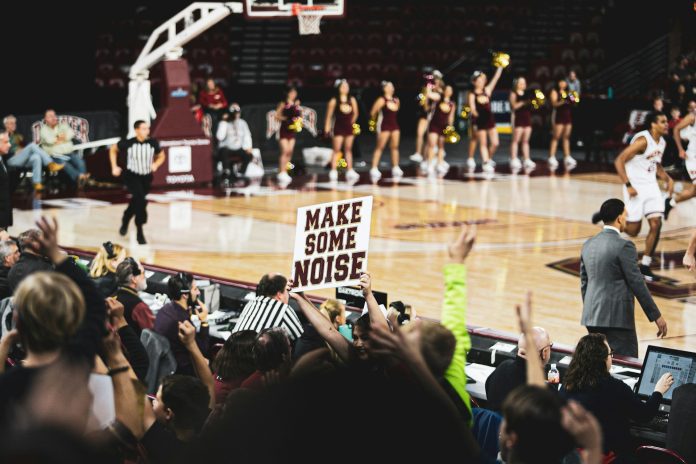
Basketball is one of the simplest sports to understand. Put the ball through the hoop more times than the other team and you win. That basic idea is clear, but the game itself has layers. Speed, spacing, timing, defence, shooting and decision-making all matter.
That is why basketball works for both casual fans and people who watch every game. Someone can enjoy a fast break, a dunk or a last-second shot without knowing every tactical detail. Others may follow player matchups, coaching changes, injury news or markets on BetGoodwin before a major fixture. Either way, the sport gives people something easy to follow and hard to master.
The best basketball games have rhythm. Teams trade runs, adjust their defence and look for small advantages. A side can be down by 15 points and still feel alive. One hot shooting spell, one defensive switch or one strong bench unit can change the whole match.
Why Basketball Moves So Quickly
Basketball is built on constant action. Possessions are short, players move all the time and the ball can travel from one end of the court to the other in seconds. There is little room to switch off.
This pace makes the sport exciting. A missed shot can become a rebound. A rebound can become a fast break. A fast break can become a dunk, a foul or a wide-open three. The game keeps moving, and that movement keeps fans involved.
The court is also small enough for every detail to matter. One poor screen can ruin a play. One slow defensive rotation can leave a shooter free. One careless pass can give the other team two easy points.
The Role of Skill
Basketball rewards many different skills. Shooting is the most obvious. A great shooter changes the way a defence behaves. Defenders have to stand closer, which opens space for drives, cuts and passes.
Ball handling is just as important. A guard who can control the ball under pressure gives a team structure. They can slow the game down, speed it up, attack a mismatch or find a teammate at the right moment.
Passing often separates good teams from average ones. The best passing teams do not hold the ball too long. They move it until the defence makes a mistake. A clean extra pass to the corner can be worth more than a difficult shot from a star player.
Defence Still Matters
Basketball is often judged by points, but defence wins many close games. A team can shoot well and still lose if it cannot get stops. Strong defence is about effort, timing and communication.
Good defenders do more than block shots. They stay in front of their man, fight through screens, close down shooters and help teammates without leaving too much space behind them. It is difficult work, and it does not always appear in highlights.
Team defence is even harder. Players have to move together. If one defender gets beaten, another must help. If that help comes, someone else must cover the next pass. Good defensive teams make these movements look natural, but they take discipline.
Why Spacing Has Changed the Game
Modern basketball is shaped by spacing. Teams want to spread the floor so attackers have room to drive and shooters have room to catch and shoot. This is one reason three-point shooting has become so important.
A player who can shoot from deep pulls defenders away from the basket. That creates lanes for teammates. It also makes help defence harder, because leaving a shooter open can lead to three points instead of two.
Spacing does not mean every team should only shoot threes. The best teams mix their attack. They use drives, cuts, post play, mid-range shots and ball movement. Good spacing simply gives every option more value.
Stars Bring Attention, Teams Win Games
Basketball has always had star players. A great scorer can take over late in a match. A dominant centre can control the paint. A clever point guard can shape every possession.
But teams still win games. Even the best player needs teammates who defend, rebound, screen and hit open shots. In close matches, role players often decide the outcome. A bench player who makes two threes or takes a charge can swing the momentum.
This is why squad balance matters. A team cannot rely only on one or two names. It needs different types of players: scorers, defenders, rebounders, passers and steady bench options.
Coaching and Adjustments
Basketball is full of adjustments. A coach may change defensive coverage, use a smaller lineup, slow the pace or target a weaker defender. These choices can shift a game without being obvious at first.
Timeouts are important because they break momentum. A coach can stop an opponent’s run, draw up a play or calm the team down. In close games, the final few possessions often show which side is better prepared.
Good coaching is not only about tactics. It is also about trust. Players need to understand their roles. They need to know when to shoot, when to pass and when to defend without taking risks.
The Value of Rebounding
Rebounding is one of the simplest parts of basketball, but it is also one of the most important. A defensive rebound ends the opponent’s attack. An offensive rebound gives a team another chance to score.
In tight games, extra possessions matter. A team that works harder on the glass can survive a poor shooting night. Rebounding also shows effort. It is about positioning, timing and willingness to compete.
Some players make a career from doing this work well. They may not always score many points, but they help their team by winning loose balls, setting screens and keeping possessions alive.
What New Fans Should Watch
New fans should try watching more than the ball. The player with the ball is important, but much of the game happens away from them. Look at how shooters move, how screens are set and how defenders react.
It also helps to watch momentum. Basketball is a game of runs. One team may score ten points quickly, then the other side responds. These swings are part of the sport’s appeal.
The final minutes of close games are often the best place to learn. Teams usually go to their most trusted players and actions. Every shot, foul, rebound and timeout becomes more important.
Why Basketball Keeps Growing
Basketball is easy to play, easy to watch and easy to share. A hoop and a ball are enough to start. That simplicity has helped the sport grow across countries, cities and cultures.
The game also suits modern viewing habits. Highlights are short and powerful. A dunk, block or deep three can travel quickly online. Younger fans can discover players before they ever watch a full match.
But the real strength of basketball is the balance between simplicity and detail. The aim is clear, but the best teams win through skill, structure and discipline. That is why the sport keeps attracting new fans while still rewarding those who study it closely.