Adidas has reported a stronger-than-expected first-quarter operating profit and sales, defying what CEO Bjorn Gulden described as a “very volatile and heavily discounted” retail environment, particularly in the sneaker market.
The robust performance saw the company’s shares climb 7% at market open. Adidas has reaffirmed its 2026 outlook, projecting high-single-digit sales growth and an operating profit of 2.3 billion euros.
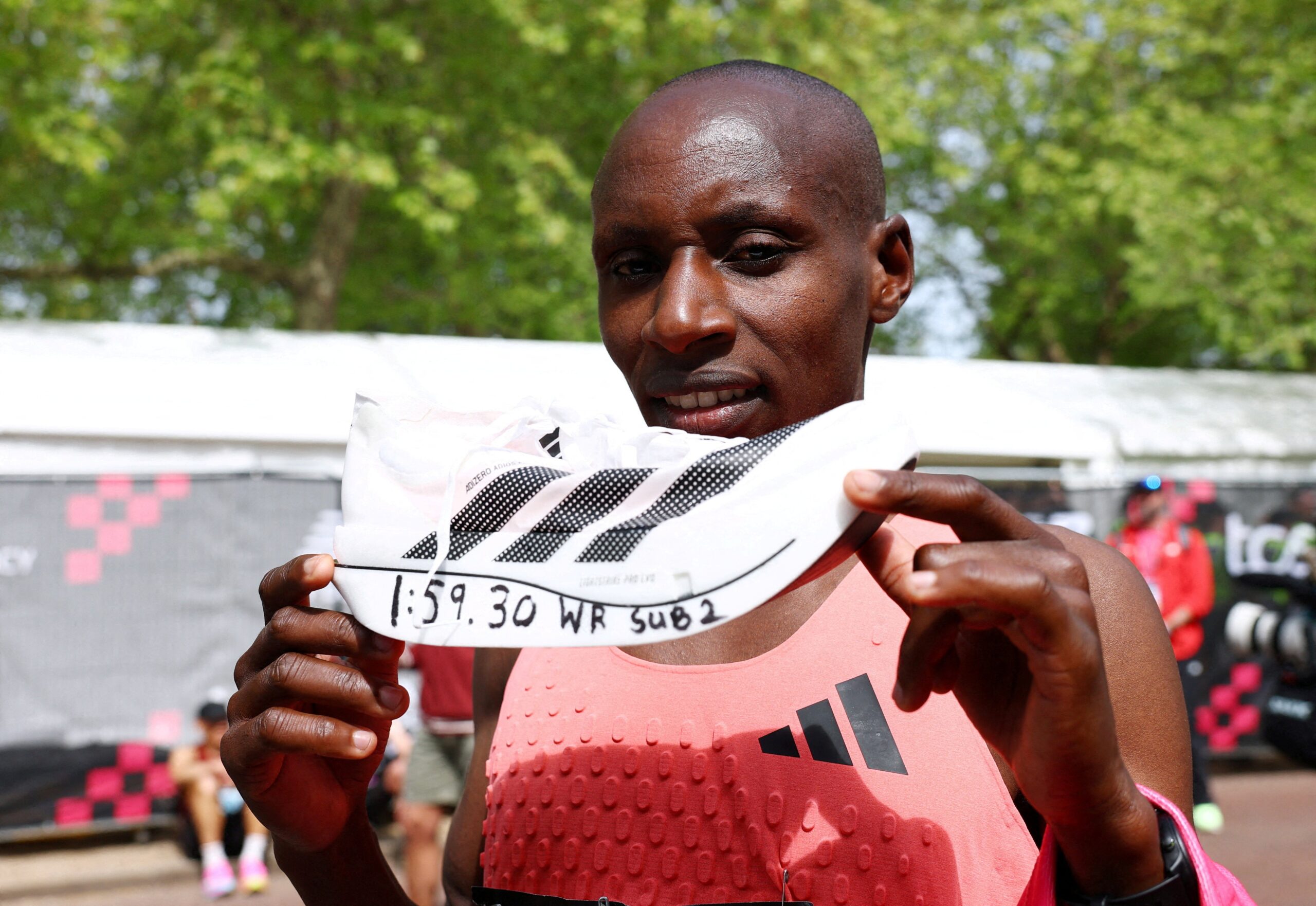
The sportswear giant is currently enjoying a boost from its ultra-light racing “supershoe’, worn by Kenyan athlete Sabastian Sawe when he became the first person to complete an official marathon in under two hours at the London Marathon on Sunday.
Running sales surged by over 10%, while increased demand for football shirts ahead of the 2026 World Cup also contributed, despite Gulden acknowledging “many supply and transportation issues” for World Cup products.
Analysts at Jefferies noted that “today’s update could help shift the investor debate a little more constructively”, following a year where Adidas shares had fallen due to US tariffs and cautious consumers, remaining near a three-year low.
The group’s currency-neutral sales rose by 14% to 6.6 billion euros, even as several Middle Eastern countries reported declines attributed to the Iran war.
Adidas emphasised “discipline” in its sales strategy to retailers, aiming to prevent the need for discounting, a contrast to US rival Nike, which recently stated it was being “aggressive” with promotions to clear unsold stock.
While nearly two-thirds of Adidas’s revenue comes via third-party retailers, sales through its own website jumped 25% and its stores saw 19% growth, outperforming wholesale growth of 8%.
First-quarter operating profit increased by 16% to 705 million euros, significantly exceeding analyst projections of 647 million euros and up from 610 million euros a year prior.
Although footwear growth was a modest 4% in currency-adjusted terms, with sales of popular Samba and Gazelle shoes slowing, apparel sales soared by 31%, driven by local designs such as Chinese New Year track jackets.
A stronger euro negatively impacted the company, reducing overall sales by approximately 350 million euros during the quarter.