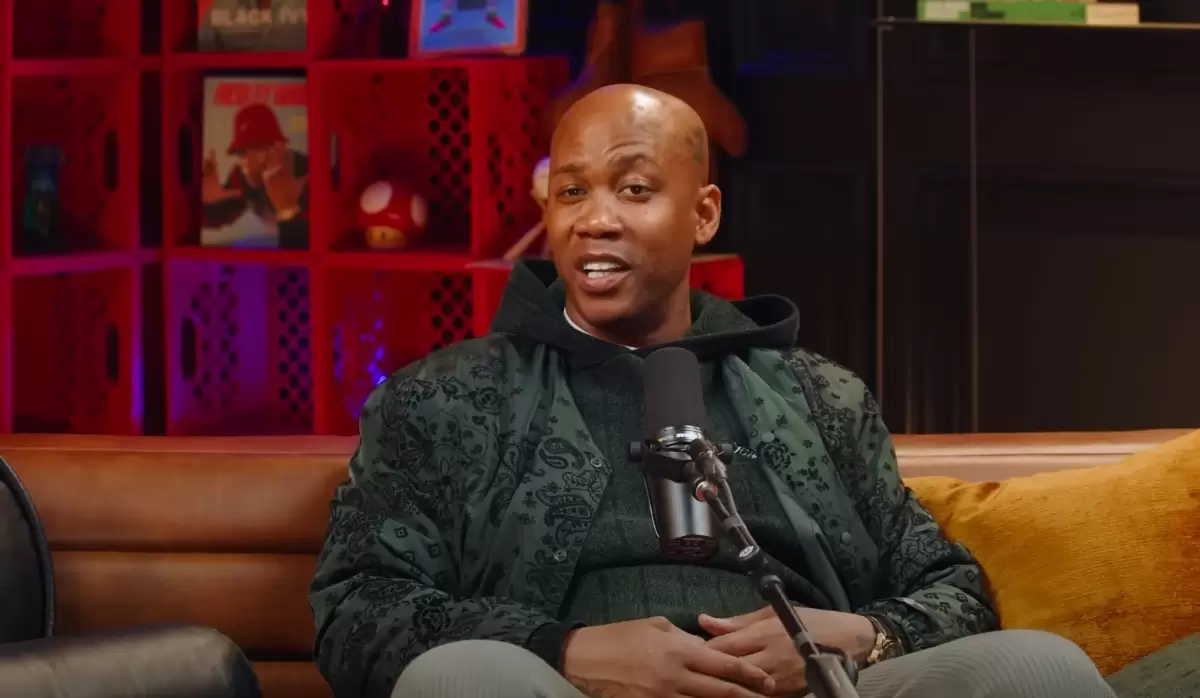

Stephon Marbury’s departure from the Minnesota Timberwolves remains one of the most discussed moves of the late 1990s, and the former NBA guard recently revisited the reasoning behind his exit while reflecting on the role former coach Flip Saunders played in his development.
Speaking on The Old Man and The Three about his early years in Minnesota, Marbury described Saunders as a stabilizing figure who shaped his understanding of professional basketball and helped him develop the details of the point guard position.
“I think communication was lackluster because I left one place where I had a father figure in Flip Saunders and it was structurally set up the proper way, which is why I see why a lot of people they get upset about me leaving and going to another team,” Marbury said, via HoopsHype.
He added: “I think for me, I had someone who educated me in the game of basketball. He taught me the game the proper way from every angle, from every aspect, from pick and rolls, from when you’re supposed to, from foul line extended, coming off tight, one two dribble, no hop, all of these little things in basketball that you need to know in order to be able to go on the court to dominate.”
Marbury entered the NBA as the No. 4 overall pick in the 1996 draft and immediately stepped into a major role alongside Kevin Garnett in Minnesota. During his rookie season in 1996-97, the point guard averaged 15.8 points and 7.8 assists across 67 games while helping the franchise reach the playoffs.
His role expanded quickly in his second season, as he averaged 17.7 points and 8.6 assists in 82 games while logging 38 minutes per night. The Timberwolves were building around a young core, with Garnett emerging into stardom and Marbury developing into one of the league’s more dynamic playmakers.
The relationship between player and franchise shifted during the lockout-shortened 1998-99 season. Marbury appeared in 18 games for Minnesota and averaged 17.7 points with 9.3 assists before being traded to the New Jersey Nets in January 1999.
At the time of the move, questions about long-term fit and direction surrounded the organization. Marbury’s recent comments suggest his appreciation for Saunders remained strong even as his relationship with the broader structure around him became more complicated.
Marbury went on to build a 13-year NBA career that included two All-Star appearances and two All-NBA Third Team selections. He finished his NBA career averaging 19.3 points and 7.6 assists per game.