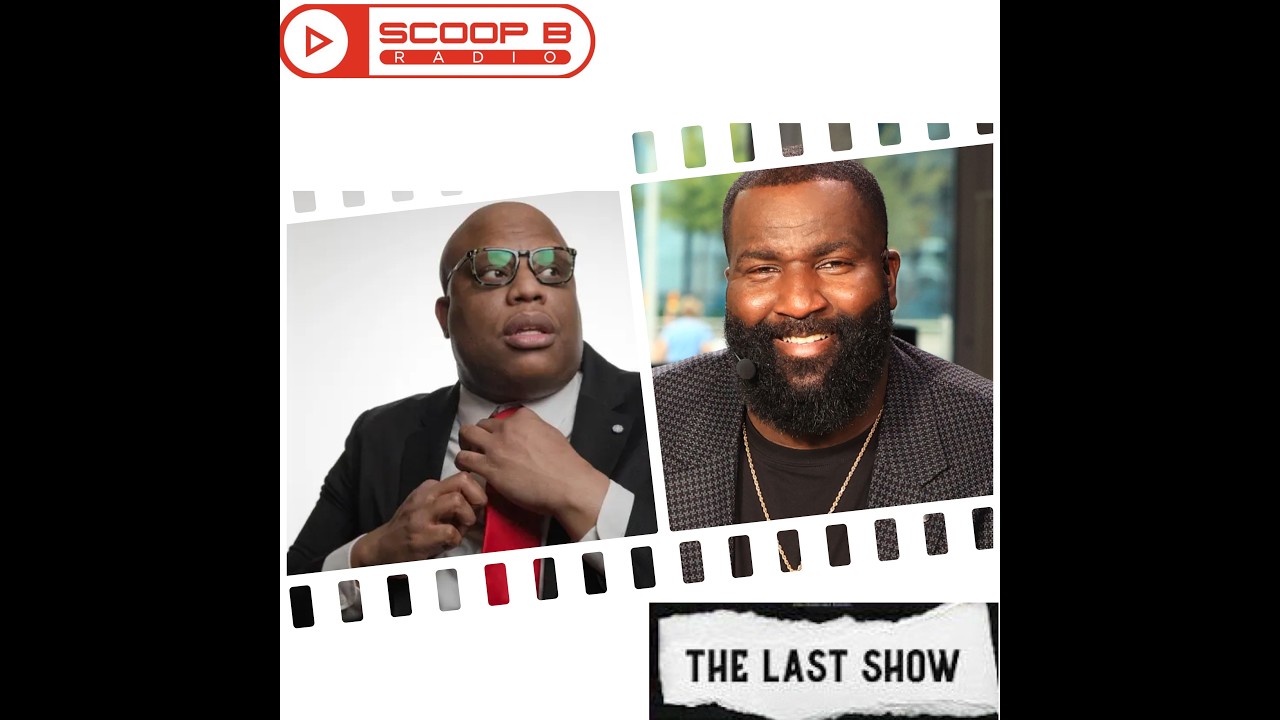
Kendrick Perkins offered a wide-ranging assessment of the modern NBA during a conversation with Brandon “Scoop B” Robinson, covering player mentality, team identity, and shifting league dynamics. The former champion turned analyst addressed multiple playoff storylines and emerging stars across the league.
Perkins pointed to a noticeable cultural shift in the league’s competitiveness and edge. He said, “I think it’s coming back. I think that we had lost it for about 10 years, it was gone. But I believe that guys like Jaylen Brown, Anthony Edwards… Jayson Tatum, Giannis Antetokounmpo… and this new generation like Victor Wembanyama and Jaden McDaniels are bringing that ‘f*** you’ back to it. That’s what we’ve been missing.”
He also linked his own playing style to his upbringing and early basketball environments. Perkins described how physicality was shaped by both on-court battles and life experiences, emphasizing resilience developed through adversity and competitive street environments.
On the Houston Rockets’ postseason performance, Perkins delivered pointed criticism following their series struggles against the Los Angeles Lakers. “Did I lie? When you’re not competing and you’re letting Luke Kennard look like the second coming of Larry Bird, I have a problem with that… I don’t see the IQ; that’s the biggest separator between the Lakers and the Rockets,” he said.
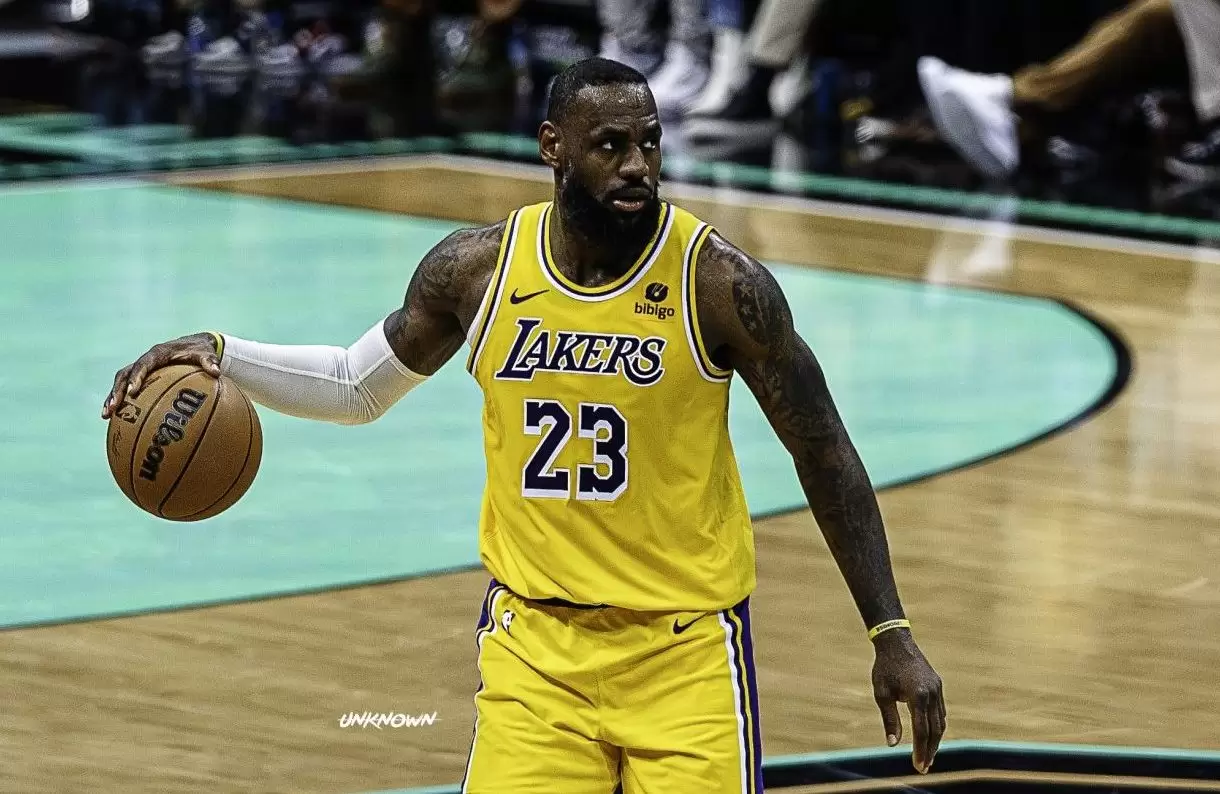
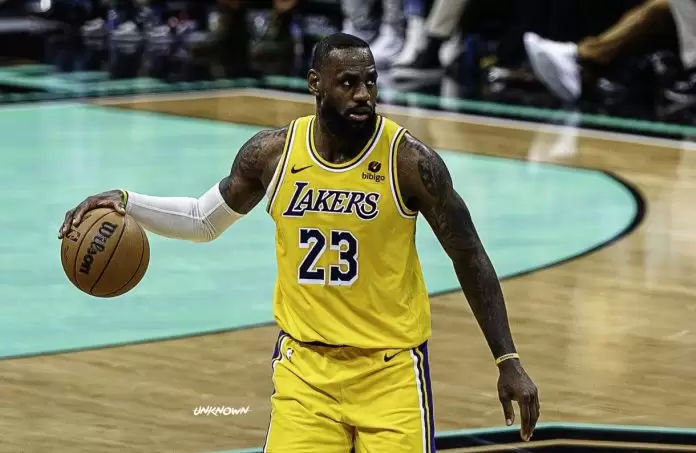
Perkins also addressed superstar movement and fit, expressing support for Kyrie Irving joining a contender rather than a rebuilding situation. He tied that broader conversation into LeBron James’ continued dominance, stating that the 41-year-old forward remains a defining force in the playoffs and continues to elevate teammates in high-pressure environments.
He further expanded on league accountability, highlighting how modern franchise players are increasingly judged on both ends of the floor. Perkins referenced Nikola Jokic in that context, stressing that defensive impact is becoming a key part of how elite players are evaluated alongside offensive production and advanced metrics.
On media dynamics, Perkins rejected the idea of relying on scripted narratives in modern sports coverage. He argued that audiences value authenticity and personality more than controlled messaging, pointing to the evolution of sports media platforms and the rise of independent voices across digital networks.
He also addressed league relationships between media and players, noting that access and trust are becoming central to reporting in an expanding broadcast landscape that now includes multiple global streaming platforms alongside traditional networks.
Perkins closed with views on roster-building decisions and coaching direction, mentioning that teams like the Sacramento Kings must prioritize long-term structural moves over short-term star speculation. He also praised coaching development paths such as Tiago Splitter’s influence and suggested that organizational stability around elite talents like Victor Wembanyama could shape future championship trajectories.
[embedded content]