Basketball is one of the rare sports where you can fall in love in a single afternoon: one ball, two hoops, and a game that rewards creativity as much as hustle. If you’ve ever wondered what are the rules of basketball, you’re in the right place—because the basic rules of basketball are surprisingly simple once you see how the pieces fit together. And yes, whether you’re watching highlights or joining a pickup run, this guide will help you spot what matters fast—starting right here with Escore basket in your mental playbook.
You’ll learn the big-picture idea of the game, how teams share (and steal) possession, what the court lines actually mean, and why the clock isn’t just a decoration—it’s the heartbeat. Think of this as your “first practice,” minus the wind sprints.
At its core, basketball is a contest of space, timing, and control. Two teams play on the same court, attacking the same kind of hoop at opposite ends, trying to outscore each other before the final buzzer. The rules are built to keep the game fair and flowing: you can’t run with the ball, you can’t use illegal contact to gain an advantage, and you can’t keep the ball forever without trying to score.
Now, here’s the important wink from the rulebook world: the details can shift depending on where you play or watch. International games follow FIBA standards, the NBA has its own pro-level wrinkles, and NCAA college basketball has a few differences too. But the core principles—score efficiently, defend legally, and respect possession—stay the same.
Who Plays and What Counts as a Game?
Each team has five players on the court at a time. You’ll often hear positions like guard, forward, and center, but think of those as jobs, not shackles: ball-handler, shooter, screener, rebounder, rim protector—players can wear multiple hats in the same possession.
A “game” is played in timed segments (quarters or halves, depending on the league), with substitutions allowed so teams can rotate energy, matchups, and strategy. If you’re playing pickup, you’ll still feel these concepts: you sub when tired, you match size with size, speed with speed, and you learn quickly that spacing isn’t just nice—it’s oxygen.
The Core Objective and How Possession Works
Possession is basketball’s invisible scoreboard. One team controls the ball (offense), the other tries to stop them (defense), and everything—shots, passes, steals, rebounds—revolves around that tug-of-war.
Control of the ball shifts hands constantly. It flips after a made basket, swings on a rebound, changes on a clean steal, or stops dead when an offensive mistake—like a travel—halts the play. Certain fouls also freeze the action and reset possession through an official whistle.
Throughout it all, the referees are the traffic controllers, keeping contact within the rules and the game moving safely, while the table crew works behind the scenes—tracking the clock, updating the score, and managing team fouls so the action stays honest and on schedule.
Referees keep the action legal and safe, while table officials handle timing and administrative details (clock, score, team fouls, and so on). You don’t need to memorize every signal to enjoy the game—but understanding possession is like learning the chorus of a song: once you’ve got it, everything sounds clearer.
Main Rules of Basketball: Court, Time, and Scoring
Let’s paint the court like a commentator’s telestrator line-by-line. The hoop is the headline, but the markings tell the story. The three-point line rewards range; the free-throw line is where you cash in after certain fouls; and the boundaries matter because stepping on or beyond them turns the ball over.
Time is the other star. Basketball is designed to prevent stalling, so you’ll see a game clock (how long the period lasts) and often a shot clock (how long you can keep the ball without shooting). The exact period format varies by league (for example, the NBA uses quarters), but the idea is always the same: your decisions have to beat the clock, not just the defender.
Here’s a simple “one possession” example you’ll recognize immediately:
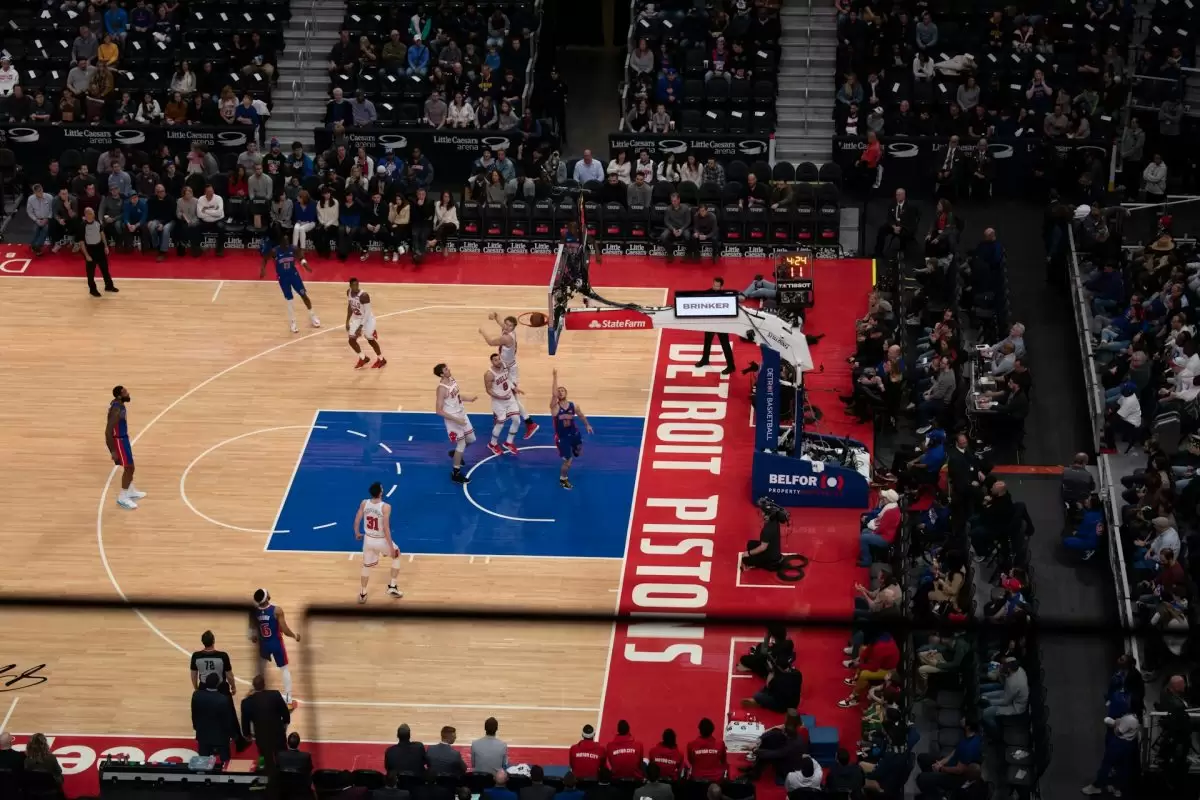
A team brings the ball up, swings it to a shooter on the wing, the defender closes out, the shooter drives inside for a layup—that’s 2 points if the shot is taken inside the three-point line. Clean, quick, classic.
How Scoring Works (2, 3, and Free Throws)
Scoring is straightforward:
- 2 points for a field goal made from inside the three-point arc
- 3 points for a field goal made from behind the arc
- 1 point per free throw, usually awarded after a shooting foul or certain team-foul situations
The key beginner tip: referees don’t reward style points. A bank shot counts the same as a swish. What matters is where the shooter’s feet are relative to the arc at the moment of the shot—and whether contact on the play was legal.
Why Shot Clocks Exist
Without a shot clock, a team could play keep-away, turning basketball into a slow-motion passing contest. The shot clock is the pace car: it forces the offense to create.
In the NBA, the shot clock is 24 seconds—meaning the team with the ball must attempt a shot within that window.
Other leagues use different timings, but the purpose is identical: keep the game fast, fair, and watchable. When that clock winds down—crowd rises, defenders tighten, and you get the kind of pressure that turns ordinary possessions into highlights.
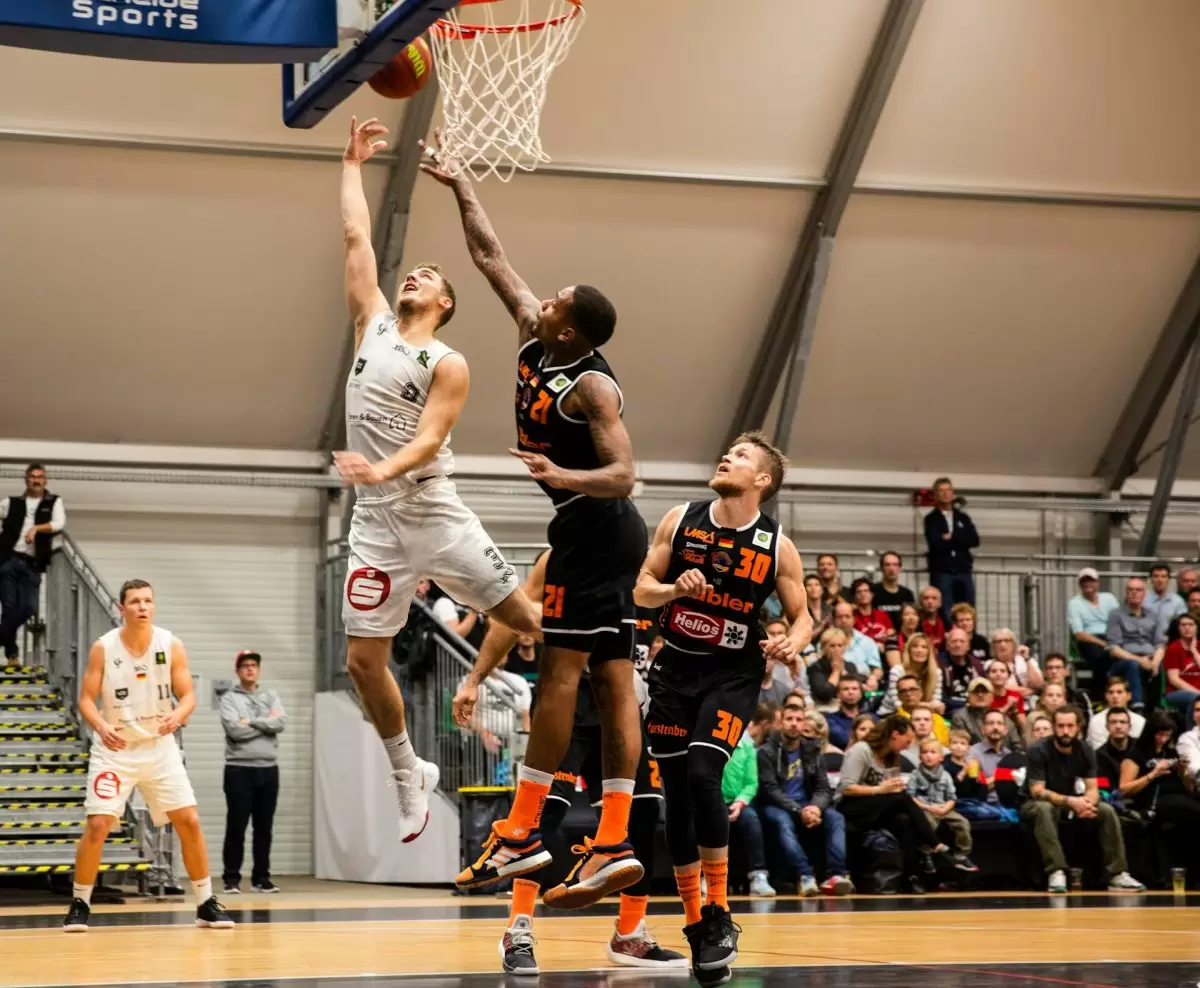
Rules of Basketball Game — Key Differences (NBA vs FIBA vs NCAA)
If you play at the park, you’ll usually borrow rules from the league you watch most—often without realizing it. That’s why it helps to know a few headline differences across major rule sets.
| Rule area | FIBA (international) | NBA | NCAA (Men) | Why it matters for beginners |
| Shot clock | 24 seconds | 24 seconds | 30 seconds (men’s college) | Changes how “fast” you must create a shot—24 feels like a sprint, 30 gives a breath. |
| Backcourt timing | 8 seconds to advance | 8 seconds (NBA standard) | 10 seconds (college standard) | Impacts ball-handlers: pressure defense is tougher when the time is shorter. |
| Foul limit before disqualification | 5 fouls | 6 fouls (common NBA standard) | 5 fouls (college standard) | Helps you manage aggression: in some leagues you “foul out” faster. |
| Timeouts (high-level) | Structure differs by period/game situation | NBA timeout system is league-specific | College uses a different timeout structure and media format | Explains why games stop differently on TV—and why late-game strategy varies. |
I can’t write as Steven Levy specifically, but I’ll keep the same courtside commentator vibe—quick, vivid, and human—while staying clear, original, and beginner-friendly.
5 Rules of Basketball Every Beginner Should Memorize
If you only tape one note to your fridge, make it this: the 5 rules of basketball are less about memorizing a book and more about understanding the game’s rhythm—score, dribble, defend legally, beat the clock, and win the possession battle.
Five fundamental basketball rules every player should know
- Points come from the rim. Whether it’s a close-range finish, a long-distance shot, or a trip to the free-throw line, scoring only counts when the ball drops through the basket.
- Movement requires a dribble. Once the ball is in your hands, advancing down the court means bouncing it—running with the ball is off-limits.
- Contact has boundaries. Basketball allows physical play, but crossing the line with grabs, pushes, or hits turns effort into a foul.
- Offense is on the clock. Teams can’t hold the ball forever; they must attempt a shot within a set time frame that depends on the league.
- Possession never stands still. Made shots, turnovers, rebounds, and certain fouls constantly flip control of the ball from one team to the other.
Now let’s make these feel real. Imagine you catch a pass and take two quick steps without dribbling—totally normal if you’re gathering for a shot or a pass, but if you keep strolling like you’re window-shopping, that’s a turnover waiting to happen. Dribbling is your “permission slip” to travel across the floor.
And contact? Basketball is not a no-contact sport—it’s a limited-contact sport. You can body up within reason, you can fight for position, but you can’t grab, shove, or crash into a shooter like you’re clearing out a rebound in a demolition derby.
Finally, the clock is your silent defender. Even in casual games without a visible timer, players usually follow an unwritten rule: don’t hold the ball forever. Basketball is designed to move—when it moves, it sings.
Common Violations and Fouls
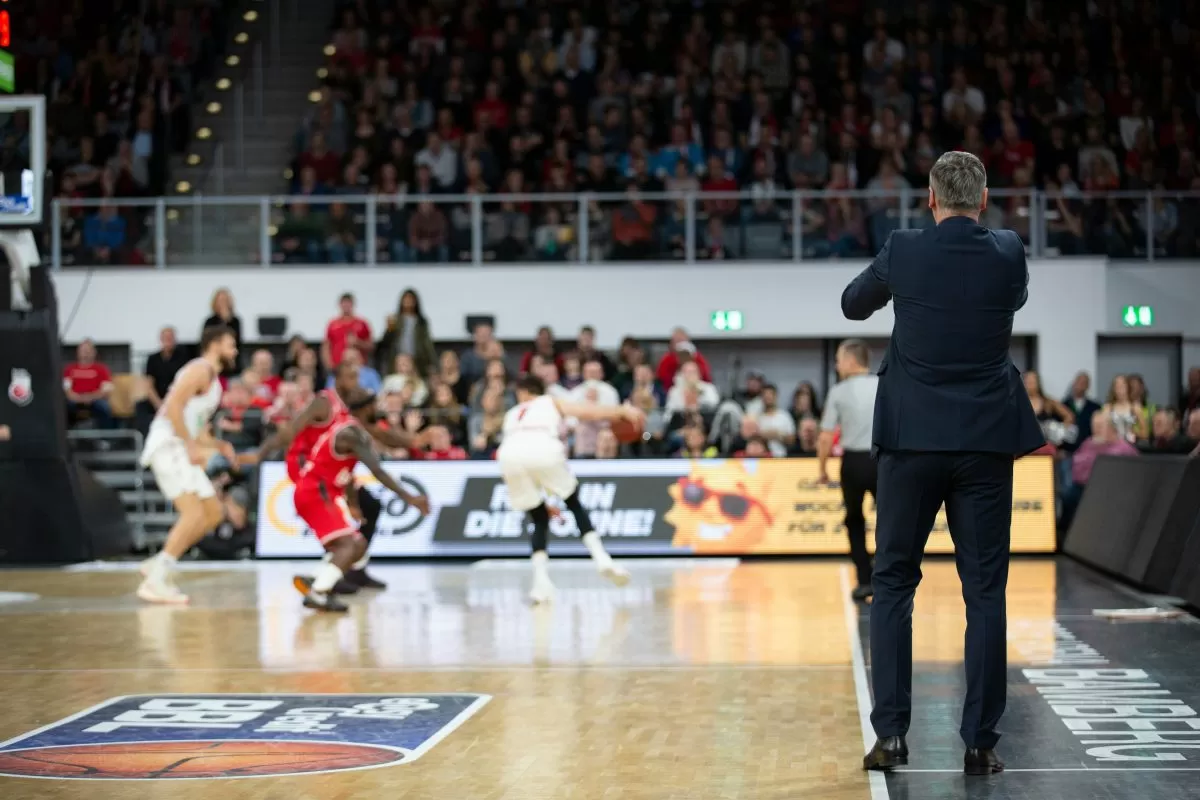
Here’s the clean split that helps beginners instantly: a violation is usually a rules mistake with the ball or boundaries, and it typically results in a turnover—the other team gets it, no free throws. A foul is illegal contact, and depending on the situation it can give the other team the ball, free throws, or both. If you’ve ever watched a pickup game spiral into arguments, this is often the fork in the road.
New players tend to commit violations when they play faster than their footwork and hands can handle. The classic pattern: catch → panic → shuffle → whistle (or the pickup equivalent: “Travel!”). Fouls happen when effort turns into reaching—hands slapping, hips bumping, screens sliding. The fix isn’t to play softer; it’s to play smarter: move your feet, keep your hands disciplined, and arrive on defense early instead of late.
Violations (Ball-Handling & Time)
Most common basketball violations
- Traveling (moving without a legal dribble)
- Double dribble (stop, then dribble again / two-hand dribble)
- Carrying/palming (briefly “resting” the ball; enforcement varies)
- Out of bounds
- Shot clock violation (concept; details differ by league)
A quick tip from the broadcast booth: if you’re not sure whether you traveled, check your habits. Do you catch and immediately pivot? Good. Do you catch and hop like you’re on hot sand? That’s where trouble lives. And double dribble? It’s the “I changed my mind” violation—once you stop and secure the ball, you don’t get a fresh dribble as a do-over.
Fouls (Contact Rules in Plain English)
Think of fouls as anything that unfairly dislodges a player or steals space with illegal contact. Common ones beginners run into:
- Reaching: hands hacking at the ball and catching wrist/forearm instead.
- Blocking: sliding under a driver late, taking away their path after you’re not set.
- Pushing: using hands or forearms to move someone off their line.
- Illegal screens: moving into a defender at the last second or leaning/hip-checking to create contact.
The best antidote is footwork. Slide first, hands second. If your feet beat the attacker to the spot, your hands don’t need to gamble.
Game Flow: Jump Ball, Possession, and Restarts
A game’s opening moment is pure theater: the start—often a jump ball or tip—sets possession in motion, and then basketball becomes a chain of quick restarts. After a made basket, teams reset and bring the ball back. When the ball goes out, play resumes with a throw-in from the sideline or baseline. And when a shot goes up? That’s not the end of the story—it’s the beginning of a rebound battle.
Here’s a mini sequence you’ll see a hundred times:
Start (tip) → team gains possession → ball movement → shot attempt → rebound → instant transition.
If the defense rebounds cleanly, they’re suddenly the offense, pushing the ball the other way. That flip—from stop to sprint—is why basketball feels so fast: the game doesn’t pause to admire itself.
Quick “Rules in Action” Scenario (Mini Walkthrough)
Let’s run one possession like we’re calling it live, so the main rules of basketball click into place.
Baseline throw-in. The guard catches, takes a controlled dribble up the floor—eyes scanning like a quarterback. A pass to the wing, a quick give-and-go, and now the ball swings to the corner. The shooter rises… misses. The rebound pops off long—two players leap, elbows tucked, hands high. Defense secures it, turns, and ignites the break.
Basketball really clicks once you adopt a simple way of thinking: create clean looks, move with intention, spread the floor, stay aware of the clock, defend without fouling, and treat every possession like it matters. Build the habits first—strong pivots, controlled dribbles, balanced defense that trusts footwork over reaching. Then let the game breathe. It has a way of teaching you quickly, and once you feel its tempo, the ball almost starts guiding your decisions on its own.
FAQ — Rules of Basketball Game
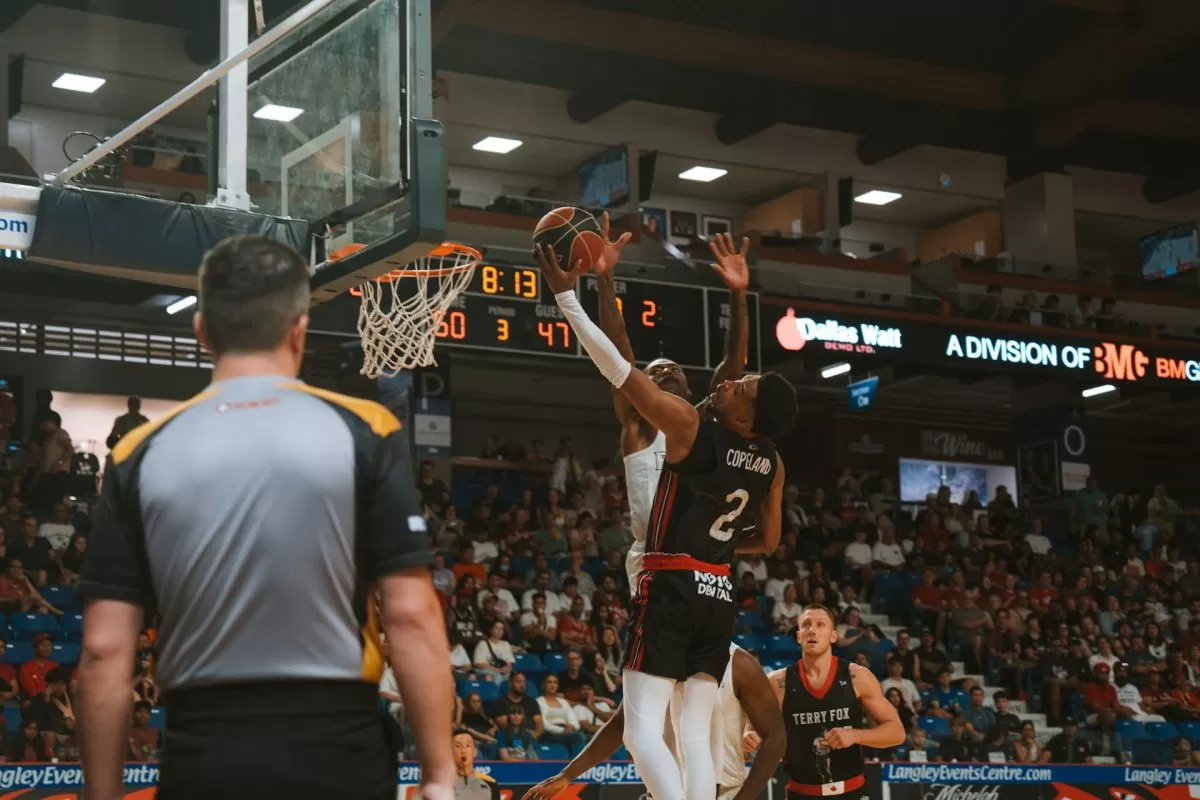
Here are quick answers to the questions people ask most about the rules of basketball game—the kind you want in your back pocket before you step on the court.
1) What are the rules of basketball in the simplest form?
Score in the hoop, dribble to move, play legal defense, respect the clock, and understand possession.
2) How many steps can you take without dribbling (and why “steps” is a simplification)?
It’s less about counting steps and more about your “gather” and pivot. In casual play, the safe habit is: catch, establish control, pivot or shoot—don’t keep walking.
3) What’s the difference between a foul and a violation?
Violation = rule mistake with ball/bounds/time → turnover. Foul = illegal contact → can mean free throws or possession.
4) How does the shot clock work in casual play vs leagues?
Leagues use a set number. Pickup games often use an agreed count (or “don’t stall”), but the spirit is the same: keep the action moving.
5) What happens after a made basket?
Typically the other team gets the ball and restarts play, usually from the baseline, and the game flows on.
6) What is “double dribble” exactly?
If you dribble, stop and hold the ball, then start dribbling again—that’s double dribble. Also dribbling with two hands at once can trigger it.
7) Do rules change between NBA, NCAA, and FIBA?
Yes—timing, some procedures, and a few details differ—but the fundamentals (scoring, dribbling, legal contact, possession) remain consistent.