[embedded content]
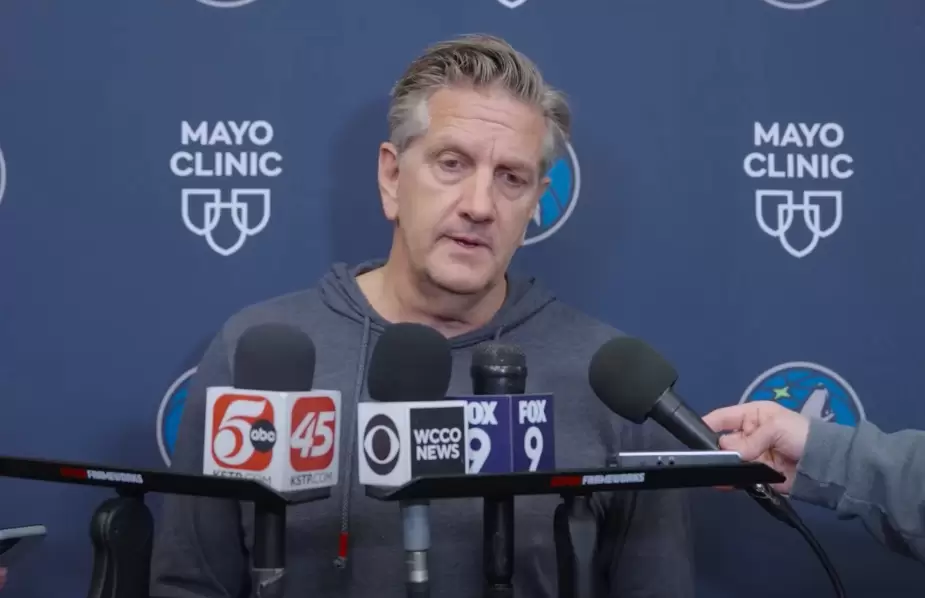
Minnesota Timberwolves head coach Chris Finch outlined key corrections and execution issues ahead of Game 2 against the Denver Nuggets on Monday, focusing heavily on pace, decision-making, and offensive discipline after Game 1.
The Timberwolves trail 0-1 in the first-round series after a 116-105 loss in Denver, with Finch pointing directly to offensive breakdowns as the central problem.
“My initial impressions largely the same,” Finch said. “A lot of self-inflicted wounds. Offensively just didn’t play with enough pace in that full court or half court. Missed a lot of easy plays that were in front of us.”
Finch stressed that Minnesota’s shot selection and composure late in the game did not meet playoff standards.
“Settled for a lot of tough shots. I thought that we could have made another play and then just didn’t play very composed down the last five six minutes of the game.”
The Timberwolves coach also highlighted missed transition chances as a turning point in Game 1 flow.
“I think that we definitely missed a handful of opportunities. I thought when we did push we didn’t really kind of get much out of it.”
Defensive execution remains a key focus for Game 2, particularly against Denver’s perimeter shooting and spacing actions.
“There were some times where we kind of got caught in no man’s land in help situations where we gave him some clean looks that we need to make sure that we’re paying attention to.”
Minnesota’s game plan review process remains consistent, with Finch outlining a structured adjustment cycle between games.
“Today we watched a lot of the stuff that we talked about. Tomorrow we’ll watch more of the adjustment pieces of things, get on the floor for shoot around.”
Finch emphasized that Game 1 was about film review, while Game 2 preparation shifts toward tactical corrections.
“Today we basically just told the story of the game in film and then tomorrow we’ll kind of put the adjustments into place.”
Individual roles also remain a focus, particularly for Naz Reid and Julius Randle after inefficient offensive stretches.
“A lot of the shots he’s taking right now are really hard,” Finch said of Reid. “I’d like to see him get back to play making.”
On Randle, Finch noted shot selection adjustments as a priority.
“Got to get him there probably more,” Finch said after describing how Randle found rhythm later in Game 1.
Defensively, Finch acknowledged Denver’s ability to create layered advantages and force rotation reads.
“When that happens, you got to read the floor and you got to make the right play. And that’s something that we I don’t think we did consistently well last night.”
Despite the loss, Finch pointed to competitive non-Jokic minutes and stressed discipline moving forward.
“We fouled them a ton in that period of time. So we can’t give away easy buckets.”