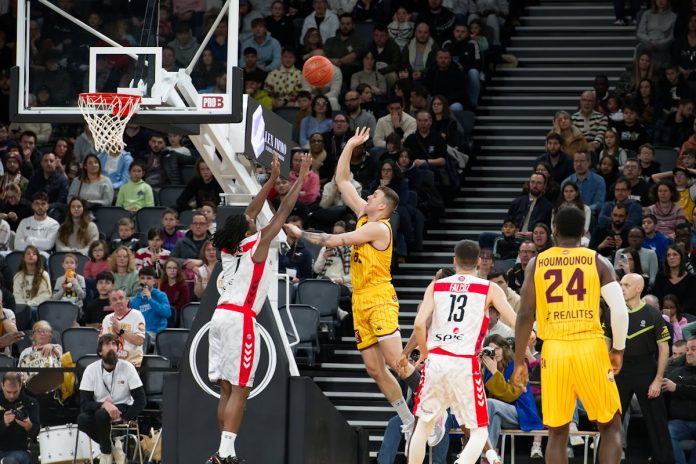
The pregame graphic flashes a spread, a total, and a short injury note beside each team logo. A minute later, a highlight clip plays, and many fans decide with their gut.
A better habit is checking what the numbers describe, and what they ignore, before trusting any pick. Thai readers often see this approach on thsport, and the same checks work for NBA, EuroLeague, and FIBA games.
Start With The Question The Prediction Answers
Most predictions answer one of three questions, and each uses different evidence for support. A moneyline pick asks who wins, while a spread pick asks who covers. A total asks whether the game stays fast, slow, hot, or cold.
Before reading the reasoning, write down the bet type and the implied story of the game. For a spread, the story is margin, not just the winner. For a total, the story is possessions and shot profile, not star points.
Next, compare the story to recent game context, not just season averages from October. Back to backs, travel, and lineup changes can shift the pace and rotation. That makes the same team look different in a four day window.
If the prediction does not match a clear game story, treat it as entertainment. Good analysis names the path to the result in plain terms. It should mention how the game stays close, or how it breaks open.
Use Possessions And Efficiency Before Box Score Totals
Raw points can mislead because some teams play fast, and others play slow, even with similar talent. A 118 to 112 final can come from high pace, not great offense. That is why possessions help when you check a prediction.
Start with pace, then look at points per possession on offense and defense. A simple view is how often a team scores, and how often it gives up clean looks. If you want a quick refresher on possessions and pace, this Northwestern sports analytics explainer helps.
Next, check shot mix, because threes and free throws swing outcomes faster than midrange. Look for teams that rely on rim attempts and corner threes, since those tend to scale. Then check if the opponent allows those shots, or forces a different diet.
Rebounding and turnovers matter most when teams are close in skill. One extra possession per quarter can flip a spread. A prediction should say where those extra possessions come from, like offensive boards or live ball steals.
Finally, split home and away samples when travel is heavy, especially in EuroLeague weeks. Some teams shoot worse on long trips, even with the same roster. That pattern is easy to miss if you only read season ranks.
Treat Injuries As Role And Minutes, Not Just Names
Injury reports often list a star, but the real swing can be the missing backup who anchors a lineup. When a center sits, the team may lose rim protection, and also lose screen setting. That can cut quality shots for everyone.
Start by mapping each absence to three things: minutes, usage, and matchup role. Minutes tell you how large the gap is, while usage tells you who takes the shots. Matchup role tells you who guards the opponent’s best action.
Then check the replacement, not the headline, because replacements change the team shape. A smaller lineup may switch more, but it may give up rebounds. A slower big may protect the rim, but it may bleed corner threes.
Also watch for foul trouble risk, which can hide inside a single injury note. If the only healthy big is foul prone, the defense can collapse by halftime. A strong prediction will flag this because it changes the second unit minutes.
If you track injuries over several games, separate “out” from “limited,” because limited players often keep their name value. Minutes caps and conditioning can matter more than official status. That is why beat reports and coach quotes can help, even without drama.
Check The Market Logic And Avoid Common Traps
A prediction should match the price, because a strong angle can still be overpriced. If the line moved three points overnight, ask what new fact caused it. If nothing changed, you may be seeing public money, not new information.
One useful habit is converting odds to implied probability, then asking if your estimate is higher. You do not need a full model to do this, but you need consistency. Over time, a small edge matters more than a bold opinion.
Be careful with trends that ignore opponent quality, like “8 and 2 in last 10.” A run can come from a soft schedule, or hot shooting that cools fast. This is where basic probability thinking helps you stay grounded in variance, not vibes.
If you want a clear, practical reference on how binary outcomes are modeled and interpreted, UCLA’s stats resources on logistic regression are a solid starting point.
Also avoid narrative traps that sound smart but do not predict scores, like “must win” or “revenge spot.” Motivation exists, but it is hard to measure and easy to double count. If a prediction leans on it, demand a second reason based on minutes, pace, or shot quality.
Compare Team Style And Matchup Fit
Predictions improve when team style is checked against the opponent, not judged in isolation. Some teams look strong on paper but struggle when their habits clash with what the other side allows.
Start by noting how each team prefers to score. One side may rely on early clock threes, while the other forces half court sets. When those styles meet, the pace and shot mix often shift away from season norms.
Defensive coverage matters just as much as scoring preference. Drop coverage can invite pull up shooters, while switching can stall post heavy teams. A prediction should explain which actions are likely to succeed or fail.
Also look at how benches interact, because second units decide many spreads. If one bench pushes tempo and the other slows the game, momentum can swing sharply at the end of quarters.
When matchup fit is clear, the prediction gains structure. It stops being about averages and starts reflecting how the game is likely to unfold.
A Simple Checklist Before You Trust A Pick
Before you accept any prediction, run five checks that take less than ten minutes. Identify the bet type and write the game story in one sentence. Estimate possessions and efficiency, then sanity check with recent pace.
Map injuries to minutes and roles, then adjust the matchup, not just the name value. Compare your view to the current line and ask what is already priced in. Finally, note one factor that could break your logic, like foul trouble or late scratch news.
When these checks agree, you are reading analysis, not just confident writing. When they disagree, pass, or wait for clearer information.