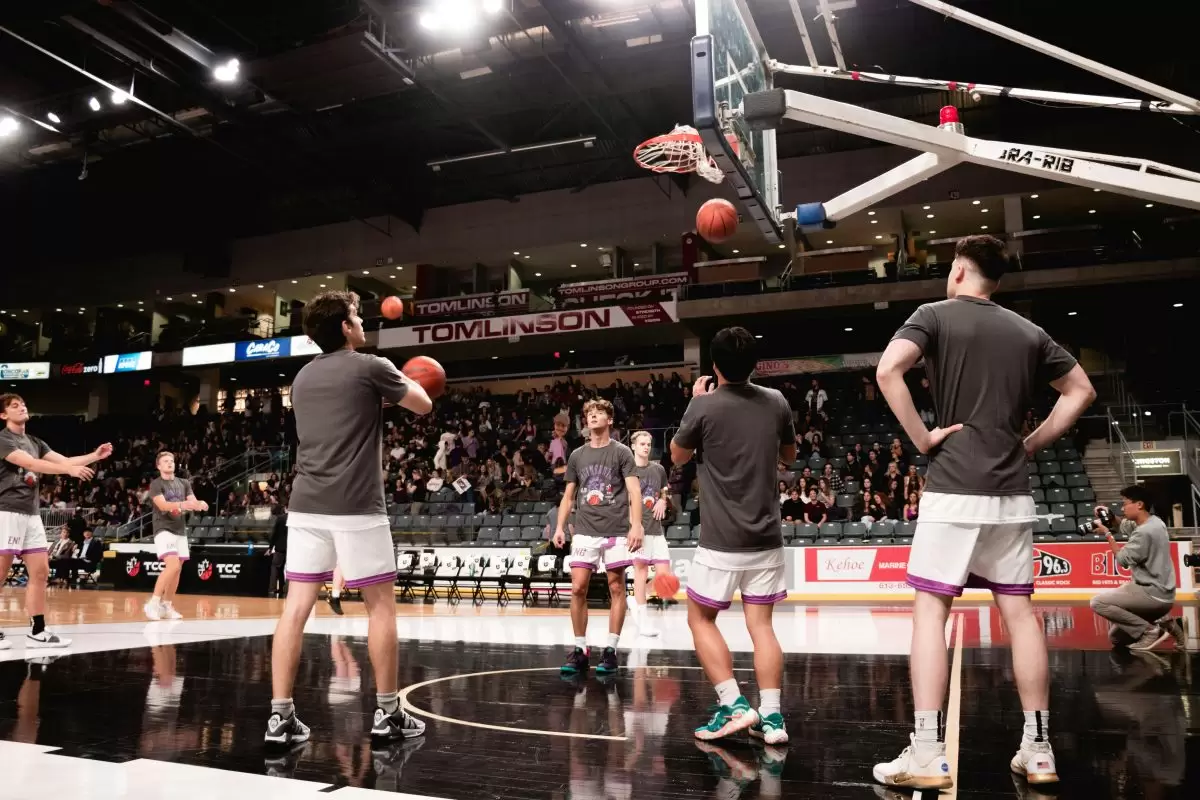
In basketball, recovery often gets treated as a short-term project. It becomes a focus during heavy practice weeks, congested game schedules, or long travel stretches, then quietly slips away once the season ends or the intensity drops. If a few simple supports stay in rotation, like CBD tinctures from Joy Organics as part of a broader wellness routine, it can be easier to maintain consistency even as schedules shift. Too often, once the final buzzer sounds on the season or routines change, recovery falls to the bottom of the priority list.
But the habits that make the biggest difference over time are rarely tied to a single stretch of games. They are the ones that continue when motivation fades, minutes fluctuate, and the calendar resets. They are simple enough to maintain and flexible enough to adapt.
Long-lasting recovery in basketball is less about doing more and more about choosing habits that support the body consistently, regardless of where you are in the season. Below are three recovery habits that tend to outlast any stretch of games because they are practical, repeatable, and grounded in everyday life.
1. Building recovery into daily rhythms, not just off days
Many players think of recovery as something that happens after games or intense practices. A tough back-to-back leads to a recovery day. A long road trip leads to extra rest once you get home. While this approach makes sense on the surface, it often creates a cycle of extremes.
When recovery is only addressed after the body feels worn down, it becomes reactive instead of supportive. The habits that last are the ones built into daily rhythms, not saved for off days or lighter weeks.
In basketball, this might look like short moments of intentional movement rather than long recovery sessions. Light stretching after practice. A few minutes of mobility work before shootaround. Easy walks that help create separation between training and downtime. These actions do not require special equipment or long time blocks, which is why players are more likely to keep them going throughout the season.
Daily recovery habits also help remove the guilt that sometimes surrounds rest in competitive environments. When recovery is part of the routine, it no longer feels like time taken away from improvement. It becomes a normal part of how the day flows.
Over time, these small daily choices add up. They support the body’s ability to handle the demands of practices, games, and travel without requiring dramatic changes in schedule or energy. That sustainability is what allows them to outlast the season.
2. Prioritizing sleep consistency over optimization
Sleep is often discussed in extremes in basketball culture. Either players chase perfect sleep setups and rigid routines, or sleep gets pushed aside entirely during busy stretches of the schedule.
The recovery habits that last usually sit somewhere in the middle.
Instead of trying to optimize every variable, many players are focusing on consistency. Going to bed around the same time most nights. Creating a predictable wind-down after evening games. Protecting the final part of the day from unnecessary stimulation whenever possible.
This approach works because it is realistic. Basketball seasons involve late tip-offs, travel across time zones, early practices, and unpredictable schedules. When recovery depends on perfect conditions, it quickly breaks down.
Consistency provides a different kind of support. It gives the body regular cues that it is time to slow down, even when circumstances are not ideal. Over time, those cues become familiar and grounding.
Players who adopt this mindset are also more forgiving of imperfect nights. Instead of trying to compensate aggressively after a poor night of sleep, they focus on returning to their routine as soon as possible. That flexibility helps the habit persist long after a particular stretch of games ends.
Sleep becomes less about control and more about continuity, which makes it easier to maintain throughout a long season.
3. Choosing supportive wellness routines that fit real basketball life
Recovery habits are more likely to last when they fit naturally into the realities of basketball life. When routines feel complicated or demanding, they tend to disappear during road trips, playoff pushes, or schedule changes.
This is why many players are drawn to simpler wellness routines that complement what they already do instead of replacing it. Rather than stacking multiple new practices into the day, they look for small supports they can return to consistently.
For some, this includes incorporating hemp-derived products into their routines as part of a broader approach to wellness. The key difference is intention. These products are not treated as solutions or shortcuts, but as optional supports alongside habits like movement, sleep consistency, and hydration.
When players explore options like hemp extract tinctures, the focus is usually on simplicity and ease rather than intensity or performance. Tinctures from Joy Organics fit into that kind of routine because they are straightforward to incorporate without requiring major changes to an already full schedule.
This mindset helps routines endure. When wellness choices feel manageable and aligned with daily basketball life, they are less likely to be abandoned when the season becomes demanding.
The same principle applies to other recovery-related habits. Hydration practices that do not rely on constant tracking. Nutrition patterns that emphasize regular meals rather than rigid rules. Quiet moments that do not need to be labeled as recovery to be effective.
When recovery feels integrated rather than isolated, it becomes easier to sustain.
Why habits that last often look unremarkable
One challenge with long-term recovery habits is that they do not always look impressive. They are not flashy. They do not come with dramatic before-and-after stories. They show up quietly, day after day.
In basketball culture, where intensity and visible effort are often celebrated, this can make them easy to overlook. But unremarkable habits are often the most durable.
They do not rely on peak motivation. They do not require perfect conditions. They adapt as schedules change. That adaptability is what allows them to last beyond a single season.
Players who maintain recovery habits over time tend to focus less on outcomes and more on process. They pay attention to how routines feel and whether they are sustainable. When something becomes too demanding, they adjust instead of abandoning it altogether.
This removes the all-or-nothing mindset that causes many routines to collapse. Recovery becomes something that evolves rather than something that has to be restarted from scratch.
Recovery as a long-term relationship with the body
Another reason certain recovery habits endure is that they are rooted in respect for the body rather than frustration with it. When recovery is framed as something that needs to fix the body, it can feel adversarial.
Habits that last tend to come from a different place. They are built on listening rather than correcting. They respond to signals without judgment.
In basketball, this might mean choosing lighter movement on some days and more active recovery on others. Adjusting routines during heavy travel stretches. Recognizing when less is enough during packed weeks.
This relationship-oriented approach supports consistency because it allows for flexibility. The body is not treated as a project with deadlines, but as a system that changes over time.
When recovery habits align with this mindset, they are more likely to continue through different seasons of play, not just different phases of training.
Keeping recovery habits through transitions
Transitions are where routines often fall apart. A change in role, minutes, team, or schedule can disrupt even the most established habits. Recovery routines that last tend to account for this reality.
Instead of tying recovery to specific environments or facilities, players anchor it to cues that travel with them. Morning routines. Evening wind-down habits. Simple practices that can happen anywhere.
A few minutes of gentle stretching before bed does not depend on access to a gym. A consistent sleep window can be maintained whether at home or on the road. Supportive wellness routines that fit into a bag or daily schedule are easier to keep going.
This portability matters. When habits can move with a player through change, they are less likely to be left behind.
Sustainability over intensity
The common thread across recovery habits that outlast the basketball season is sustainability. They do not demand peak effort. They do not require constant adjustment. They work with the body rather than against it.
Sustainable recovery habits recognize that energy fluctuates. They leave room for rest without guilt. They adapt when schedules tighten. They prioritize long-term support over short-term intensity.
This does not mean recovery becomes passive. It means it becomes steady.
Over time, that steadiness builds trust. Players trust that their routines will support them even when motivation is low. That trust is what keeps habits alive beyond any single season.
Looking beyond the season
Basketball seasons come and go. Training cycles end. Roles shift. Life changes. Recovery habits that last are the ones that acknowledge this impermanence and work within it.
They focus on what can be maintained rather than what can be maximized. They emphasize consistency, flexibility, and fit. They become part of daily life rather than something added only when things feel intense.
In the end, recovery is not about bouncing back from one season. It is about building habits that support the body across many of them.